Bruce Haffty, MD, and Mutlay Sayan, MD, on building radiation oncology at Rutgers, the future of the field, and a remarkable journey from eastern Turkey to Harvard faculty.

Bruce Haffty, MD, and Mutlay Sayan, MD, on building radiation oncology at Rutgers, the future of the field, and a remarkable journey from eastern Turkey to Harvard faculty.

Jyoti Malhotra, MD, MPH on first-in-human clinical trials, lung cancer precision medicine in 2026, the disparities tension in drug development, and her move to Yale Cancer Center.
Herbert Lepor, MD, discusses NYU Langone's 1000th focal cryotherapy procedure, Andre De Shields' case, and why prostate cancer treatment is at a turning point.
Patrick Borgen, MD, built Brooklyn's breast cancer program from 47 patients to 8,000. Now he and Joshua Feinberg, MD discuss what surgery looks like next.

New KRAS-targeting drug for metastatic pancreatic cancer nearly doubles second-line survival; expert explains impact, side effects, next trials.
Two new oncologists share raw truths on fellowship loneliness, fear of autonomy, and building networks that make the leap to faculty survivable.
ctDNA reveals hidden relapse risk as a clinician-scientist builds Northwell’s GI trials, uses AI for recruitment, and spotlights ASCO 2026 drugs.

A 6-month complete response predicts improved long-term survival in high-risk large B-cell lymphoma patients treated with axicabtagene ciloleucel.
Epcoritamab combined with rituximab and lenalidomide shows remarkable efficacy in treating relapsed follicular lymphoma, setting a new standard of care.

Sacituzumab tirumotecan significantly improves progression-free survival in EGFR-mutated non-small cell lung cancer compared to traditional chemotherapy.
Tarlatamab combined with frontline chemoimmunotherapy shows promising safety and efficacy in extensive-stage small cell lung cancer patients.
Alectinib shows promising long-term survival benefits over crizotinib in advanced ALK-positive lung cancer, highlighting significant clinical advancements.

New trial results reveal BGB-16673's promising safety and efficacy in treating relapsed CLL/SLL, showing significant antitumor activity across diverse patient profiles.
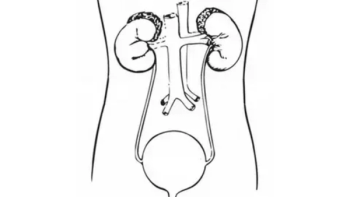
UGN-102 shows promising results in treating recurrent low-grade, intermediate-risk bladder cancer, with high response rates and manageable side effects.

Combination therapy with BPd shows significant progression-free survival benefits in relapsed/refractory multiple myeloma patients with high-risk cytogenetic abnormalities.
Epcoritamab shows promising long-term remission and survival rates for relapsed/refractory large B-cell lymphoma, highlighting its potential in advanced treatment settings.
A novel combination therapy shows promise for advanced lung cancer patients resistant to standard treatments, offering hope for improved survival rates.
A single cilta-cel infusion led to 33% of heavily pretreated relapsed/refractory multiple myeloma patients remaining progression-free at 5+ years.
Relacorilant/nab-paclitaxel significantly improved PFS and OS vs nab-paclitaxel alone in platinum-resistant ovarian cancer.
Ribociclib combined with aromatase inhibitors shows significant survival benefits for early-stage hormone receptor-positive breast cancer, enhancing treatment outcomes across patient demographics.
Escalated adjuvant chemotherapy, guided by ctDNA, did not improve recurrence-free survival for stage III colon cancer patients, per DYNAMIC-III trial.

Ciltacabtagene autoleucel achieved a 100% complete response rate in patients with high-risk smoldering multiple myeloma, as reported in findings from a single-arm phase 2 trial.
Arlocabtagene autoleucel led to antitumor activity and an acceptable safety profile in heavily pretreated relapsed/refractory multiple myeloma, according to updated phase 1 trial data.

"[Patients with] mantle cell lymphoma in first complete response with undetectable MRD did not benefit from consolidative autologous transplant," said Timothy Fenske, MD, MS.
The bispecific T-cell engager epcoritamab demonstrated favorable efficacy outcomes with manageable toxicities in patients treated in the expansion and optimization cohorts of the EPCORE CLL-1 trial.
A LAG-3/PD-L1 bispecific antibody, FS188, showed a modest objective response rate in a small cohort of patients with relapsed/refractory diffuse large B-cell lymphoma.

A new study found that adding daratumumab to lenalidomide, bortezomib, and dexamethasone significantly improved outcomes for older patients with newly diagnosed multiple myeloma.

In a first-in-human trial, AMG 193, a drug targeting a specific mutation in tumors, showed promising results in reducing tumor size and spread in various cancers, with an acceptable safety profile.

September 20th 2020