
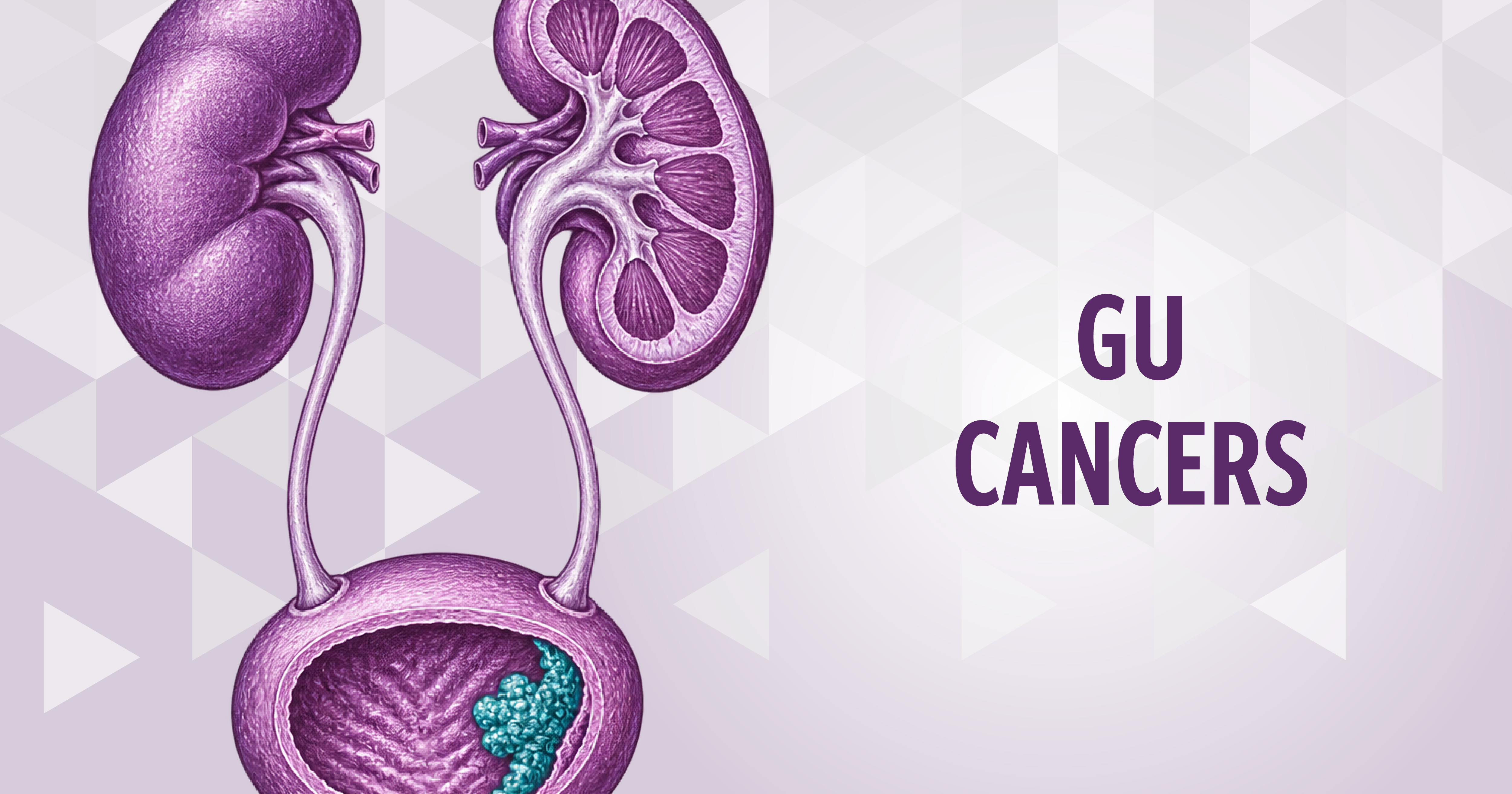
GENITOURINARY CANCERS
Latest News
Advertisement
Video Series


Latest Videos







Shorts

1:13
Key Findings from the Real-World ARAAT Trial
24 days ago
by
Alicia K. Morgans, MD, MPH

0:30
Strategies for Sequencing Therapies in RCC
a month ago
by
Daniel Heng, MD
0:25
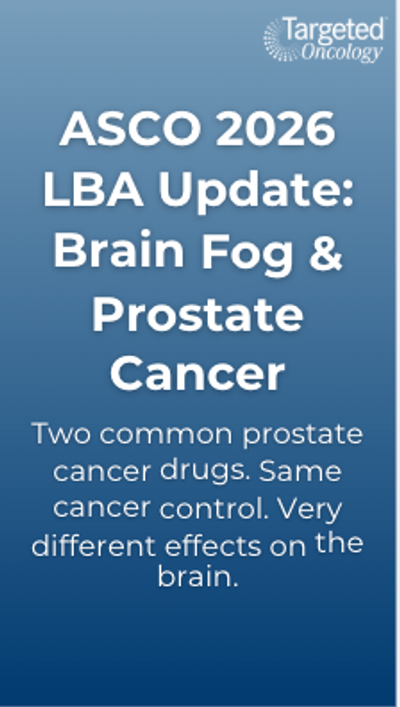
ASCO 2026: Brain Fog & Prostate Cancer Treatment
6 months ago
by
Sabrina Serani

0:48
The Need for HRR Mutation Testing in Prostate Cancer
7 months ago
by
Sandy Srinivas, MD

0:34
Managing Toxicities in Patients on Erdafitinib Therapy
8 months ago
by
Thomas W. Flaig, MD
0:38
New Frontiers in Urothelial Carcinoma
8 months ago
by
Thomas W. Flaig, MD
0:55
Intravesical Erdafitinib Evaluated in Phase 1 NMIBC Trial
8 months ago
by
Antoni Vilaseca Cabo, MD

1:03
Why Bone Health Is Crucial in Prostate Cancer Treatment
8 months ago
by
Daniel P. Petrylak, MD

0:56
T-Cell Engagers Look Promising in Prostate Cancer
8 months ago
by
Sandy Srinivas, MD

1:00
The Flaw in Current Prostate Cancer Biomarkers
8 months ago
by
Michael S. Leapman, MD, MHS
Podcasts


CME Content




















Advertisement
More News
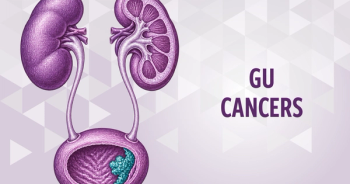
Perioperative enfortumab vedotin plus pembrolizumab had a cost-effectiveness ratio of $72,460 per QALY vs radical cystectomy alone in a 10-year Medicare model.
Updated ENZARAD findings show no significant metastasis-free survival benefit with enzalutamide, although patients receiving pelvic lymph node radiation may benefit from intensification.
Five-year OLYMPUS data show Jelmyto (UGN-101) sustains kidney-sparing control in low-grade UTUC, with most responders remaining event-free.

LITESPARK-012 data at ESMO 2026 show that adding belzutifan or quavonlimab to pembrolizumab/lenvatinib did not improve survival for advanced kidney cancer.
Updated survival findings, perioperative treatment strategies, and circulating tumor DNA analyses highlight evolving approaches to genitourinary cancers.
The approval expands the combination’s use to patients with androgen pathway modulation–naive or –sensitive disease based on phase 3 TALAPRO-3 findings.
The FDA granted fast track designation to SBE303, Samsung Bioepis’ investigational Nectin-4–targeting ADC, for advanced urothelial cancer following enfortumab vedotin.
Experts debate second-line tivozanib for advanced renal cell carcinoma, weighing PFS gains, tolerability, and whether continuing immunotherapy adds real benefit.
FDA expands nogapendekin alfa inbakicept plus BCG use to high-grade papillary–only BCG-unresponsive NMIBC, offering durable control and strong cystectomy-avoidance outcomes.
Experts weigh IO-TKI vs dual immunotherapy for metastatic ccRCC, highlighting rapid symptom relief, bone/brain response, survival outcomes, and toxicity tradeoffs.

Alicia Morgans, MD, explains how the ARACOG trial showed higher cognitive decline with enzalutamide vs darolutamide in advanced prostate cancer.

Daniel Heng, MD, discusses how belzutifan plus lenvatinib fills an unmet need after immunotherapy in RCC, with insights on managing hypoxia and anemia and on sequencing.

Interim phase 2 results show carotuximab plus apalutamide sharply extends progression-free survival in metastatic castration-resistant prostate cancer, prompting earlier-use trial changes.

Daniel Heng, MD, discusses the FDA approval of belzutifan plus lenvatinib in RCC, managing hypoxia and anemia, and how it may affect treatment sequencing.
Clinicians weigh RCC immunotherapy choices by risk, metastasis site, and histology, citing durable outcomes with nivo-ipi and favoring TKIs after early progression.
Advertisement
Advertisement
Trending on Targeted Onc
1
FDA Does Not Approve Ivonescimab for EGFR-Mutant NSCLC
2
Dr Dasari on Sequencing RLT, Cabozantinib, and Everolimus in NETs
3
Crossover to Bezuclastinib Plus Sunitinib Improves Disease Control in Pretreated GIST
4
New ACS Guidelines Push for Earlier Prostate Cancer Screening
5