




GENITOURINARY CANCERS
Latest News
Advertisement
Latest Videos











































Advertisement
More News

Prostate cancer advancements highlight genetic mutations' impact on therapy and family health, emphasizing early treatment strategies for better outcomes.

Dr Daniel Petrylak discusses groundbreaking advancements in prostate cancer treatment, including genetic mutations, PARP inhibitors, and innovative PROTAC therapies.

A new treatment combination shows promise in extending progression-free survival for advanced prostate cancer patients, highlighting innovative cancer therapies.
Discover groundbreaking advancements in prostate cancer treatment with innovative PROTAC drugs, promising new trials, and enhanced therapy effectiveness.
Navigating the complex landscape of prostate cancer treatment sequencing is crucial for maximizing patient outcomes and survival rates.
KIM-1 emerges as a promising biomarker for renal cell carcinoma, enhancing prognosis and treatment decisions in kidney cancer management.
Belzutifan shows improved quality-adjusted survival in advanced renal cell carcinoma compared with everolimus, enhancing patient quality of life and treatment outcomes.
Combination therapy of casdatifan and cabozantinib shows promising efficacy and manageable safety in patients with advanced clear cell renal cell carcinoma.
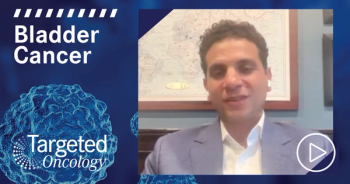
Joseph Jacob, MD, discusses gemcitabine intravesical delivery as a highly effective treatment for high-risk, BCG-unresponsive bladder cancer, achieving an 82% response rate.
Joseph Jacob, MD, discusses the how the recent FDA approval of the gemcitabine intravesical system offers a radically different treatment approach for patients with bladder cancer.
Promising results emerge from a clinical trial combining IDE397 and sacituzumab govitecan for treating MTAP-deleted urothelial cancer, showcasing safety and efficacy.
The FDA approves Inlexzo, a groundbreaking treatment for bladder cancer, offering hope for patients unresponsive to traditional therapies.
The FDA approves a long-acting injectable for advanced prostate cancer, offering a convenient quarterly dosing option and improved patient care.

A groundbreaking study reveals how the Decipher Prostate Genomic Classifier personalizes chemotherapy decisions for metastatic prostate cancer patients, enhancing treatment outcomes.
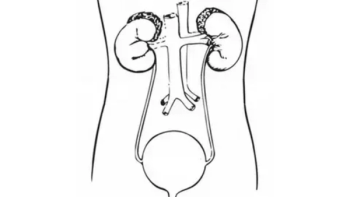
Alpha1H shows promising results in treating non-muscle-invasive bladder cancer, demonstrating significant tumor response and a strong safety profile in clinical trials.
New research reveals how ctDNA testing transforms treatment for muscle-invasive bladder cancer, identifying patients who benefit from targeted immunotherapy.
FDA fast-tracks HLD-0915, a novel therapy for metastatic castration-resistant prostate cancer, promising rapid development and potential breakthrough treatment.
New analysis reveals enzalutamide significantly outperforms darolutamide in treating metastatic hormone-sensitive prostate cancer, enhancing patient outcomes.
New research reveals that combining talazoparib with enzalutamide significantly enhances survival rates in metastatic prostate cancer patients, regardless of genetic factors.
New trial results reveal that pembrolizumab and enfortumab vedotin significantly enhance survival rates for muscle-invasive bladder cancer patients ineligible for cisplatin.
Enzalutamide's efficacy is supported by preference studies and a MAIC, helping doctors and patients make informed treatment choices.
Without head-to-head trials, doctors balance MAIC efficacy data with factors like cost and safety to choose the best ARPI for each patient.
A statistical analysis (MAIC) of the ARCHES and ARANOTE studies suggests enzalutamide is more effective at delaying disease progression.
With no head-to-head trials for ARPIs, physicians use methods like MAIC to indirectly compare efficacy and safety, guiding treatment decisions.
Enzalutamide and other ARPIs are key in treating metastatic prostate cancer by blocking androgen receptors, improving patient survival rates.
Advertisement
Advertisement
Trending on Targeted Oncology - Immunotherapy, Biomarkers, and Cancer Pathways
1
Denosumab Biosimilar Approved For Existing Oncology Indications
2
Plinabulin Receives FDA Fast Track Designation in Post-ICI NSCLC
3
FDA Oncology Recap: Approvals, Designations, and Decisions in September 2026
4
Giredestrant Plus Everolimus Improves PFS in ER+ Advanced Breast Cancer
5