

BRAIN CANCER
Latest News
Advertisement
Video Series






Latest Videos


Shorts

0:35
Why Brain Cancer Treatment Feels Like a Rigged Marathon
a month ago
by
Clark Chen, MD, PhD
1:14
The Hidden Danger of Postsurgery Glioblastoma Regrowth
a month ago
by
Clark Chen, MD, PhD
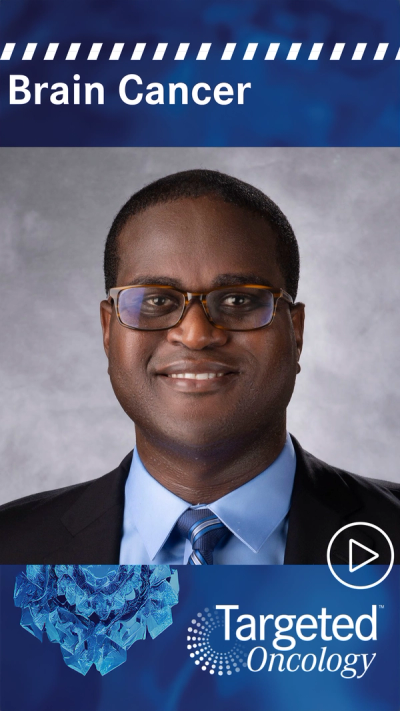
0:30
Don't Believe The Google Prognosis: New Hope For Glioblastoma
6 months ago
by
Chibawanye Ene, MD, PhD
0:32
Why We Need To Look Outside the Brain to Treat Tumors
6 months ago
by
Chibawanye Ene, MD, PhD
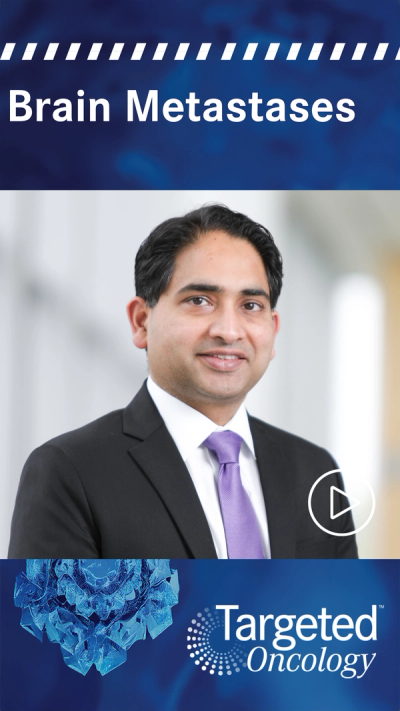
0:41
The Challenges of Treating Systemic Brain Metastases
7 months ago
by
Manmeet Ahluwalia, MD
0:59
From 6 Months to 5 Years: The New Era of Brain Metastasis Survival
7 months ago
by
Manmeet Ahluwalia, MD
Podcasts









































Advertisement
More News
Adding investigational BPM31510 to standard chemoradiation may boost survival in newly diagnosed glioblastoma, especially MGMT-unmethylated tumors, with promising safety data.
Patient-level analyses suggest DCVax-L boosts glioblastoma survival by up to 6 months, with peer review pending and no randomized control.
Mature 13-year data show radiotherapy and temozolomide yield similar survival in low-grade glioma, but molecular subtype, not treatment order, predicts outcomes.
TRIDENT shows early TTFields with chemoradiation doesn’t boost survival in newly diagnosed glioblastoma, but remains feasible with stable safety.

Glioblastoma treatment still stalls beyond Stupp, while meningioma lacks systemic salvage options; Singh highlights adaptive trials, molecular profiling, and young-patient quality-of-life risks.
Updated NCCN guidelines now recommend CSF-based genomic profiling for biopsy-infeasible high-grade gliomas and glioblastomas, expanding liquid biopsy use in CNS cancer.
The new designation, which adds to an existing orphan drug designation for the same indication, allows for a priority review voucher and other development incentives.
FDA accepted the NDA for 18F-FET, a PET imaging agent designed to distinguish glioma progression from treatment-induced changes in brain cancer.
Researchers work to identify blood-based immune markers, including activated T cells and antibody levels, that may predict long-term survival in patients with glioblastoma.
FDA grants orphan drug designation to rhenium (186Re) obisbemeda for pediatric glioma and ependymoma, supported by the phase 1/2a ReSPECT-PBC clinical trial.
The FDA granted fast track designation to PAS-004, a macrocyclic MEK inhibitor, for NF1-associated plexiform neurofibromas causing significant morbidity.
The FDA granted breakthrough therapy designation to plixorafenib for adult patients with BRAF V600E–mutated high-grade glioma, based on data from a completed phase 1/2a trial and the ongoing phase 2 FORTE basket study.
Phase 2 TBCRC049 trial results show tucatinib triplet therapy improves survival in HER2+ breast cancer patients with leptomeningeal metastasis.
Phase 2b data show RAD101 amino acid PET hits 90% concordance, helping distinguish brain metastasis recurrence from pseudoprogression and necrosis.
FDA grants orphan drug status to irinotecan ChemoSeed implant for high-grade gliomas, enabling sustained local brain tumor therapy and accelerating pivotal trials.

Digital twin modeling plus metabolomics predicts which drugs can starve glioblastoma, enabling faster, personalized treatment testing.

Blood biomarkers reveal which glioblastoma patients respond to Delta-24-RGD oncolytic virus plus IFN-γ, guiding personalized dosing and survival.
Experts explain how MRI trends, seizures, and spectroscopy guide when IDH-mutant glioma monitoring ends and radiation or chemo begins.
During a Case-Based Roundtable event, Timothy Cloughesy, MD, and participants discuss targeted IDH inhibition in patients with grade 2 gliomas.

Dr Manmeet Ahluwalia explores how precision oncology and targeted therapies are transforming brain metastases care, extending survival from months to years.

Global phase 3 trial tests safusidenib maintenance after chemoradiotherapy, aiming to delay recurrence and improve survival in IDH1-mutant astrocytoma.
A novel granule formulation of selumetinib shows promise for treating pediatric patients with inoperable neurofibromatosis type 1-related tumors, enhancing medication accessibility.

Phase 2 trial shows abemaciclib prolongs disease control in recurrent high‑grade meningioma with NF2/CDK alterations, with 58% PFS at 6 months.
FDA meeting guides Plus Therapeutics in advancing rhenium Re 186 obisbemeda for leptomeningeal metastases, paving the way for pivotal trials.
During a live event, Jan Drappatz, MD, and participants discussed which patients with glioma should receive IDH inhibitors and what next steps could identify who will benefit.
Advertisement
Advertisement
Trending on Targeted Oncology - Immunotherapy, Biomarkers, and Cancer Pathways
1
Anito-Cel Delivers Durable Responses With Low Neurotoxicity in RRMM
2
Risk, Histology, and Metastatic Site Guide First-Line RCC Treatment Choices
3
FDA Application Withdrawn for I-DXd in Small Cell Lung Cancer
4
Elinzanetant Gets Priority Review for VMS From Breast Cancer Endocrine Therapy
5