Alice T. Shaw, MD, PhD, an attending physician in the Center for Thoracic Cancers at Massachusetts General Hospital, discusses resistance to crizotinib in patients with ALK-positive lung cancer

Alice T. Shaw, MD, PhD, an attending physician in the Center for Thoracic Cancers at Massachusetts General Hospital, discusses resistance to crizotinib in patients with ALK-positive lung cancer
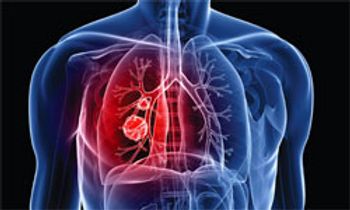
NSCLC that is positive for ALK, a receptor tyrosine kinase (RTK), typifies a phenomenon termed “oncogene addiction,†in which tumor cells depend on a single causative pathway or protein for their growth and survival.

Naiyer A. Rizvi, MD, an associate attending physician, Memorial Sloan Kettering Cancer Center, discusses PD-L1 as a potential biomarker for immunotherapy agents for patients with lung cancer.
Chandra P. Belani, MD, Deputy Director, Penn State Hershey Cancer Institute, Miriam Beckner Distinguished Professor of Medicine, Penn State Hershey College of Medicine, discusses treating older patients who have non-small cell lung cancer

Lung cancer remains the single largest cause of cancer-related deaths, and the burden of the disease in the elderly population will only grow as life expectancy increases.

Lung cancer continues to be the leading cause of cancer-related mortality, resulting in ~1.4 million annual deaths worldwide and 160,000 deaths each year in the United States.

Advances in the treatment of non-small cell lung cancer (NSCLC) have resulted in some positive outcomes in recent years, adding choices to the treatment armamentarium.
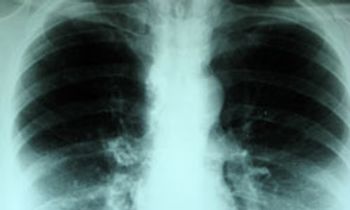
Although the current standard of care for advanced NSCLC remains platinum doublet chemotherapy, recent evidence suggests that most newly diagnosed patients may be candidates for targeted therapy as firstline treatment.