
The Journal of Targeted Therapies in Cancer discussed various issues regarding new and existing therapies in breast cancer with Richard Finn, MD.

The Journal of Targeted Therapies in Cancer discussed various issues regarding new and existing therapies in breast cancer with Richard Finn, MD.

Treatments for triple-negative breast cancer (TNBC) have made significantly less progress in comparison with other subtypes.
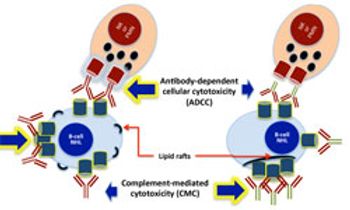
Monoclonal antibodies (mAbs) that target key “restricted†antigens in cancer cells have become an integral part of the management of multiple hematologic and solid tumor malignancies.
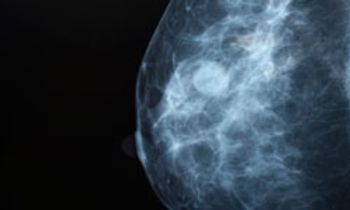
Eribulin mesylate has demonstrated clinical benefit as a first-line therapy for locally recurrent or metastatic HER2- negative breast cancer, according to results of a phase II, multicenter, single-arm study.

Significant developments in research and treatment for HER2-positive breast cancer have emerged over the past year. Those advances include a growing number of studies measuring the effectiveness of dual agents.
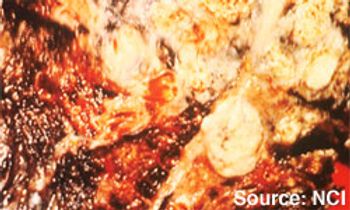
Anti-angiogenic therapy aims to disrupt blood supply to tumors and has proven clinical benefit in nonsquamous non-small cell lung cancer (NSCLC).

Previously revealed efficacy data from the BOLERO-3 study indicated slowed tumor progression in patients with trastuzumab-resistant HER2+ breast cancer, and now everolimus, trastuzumab, and vinorelbine has demonstrated a manageable safety profile.
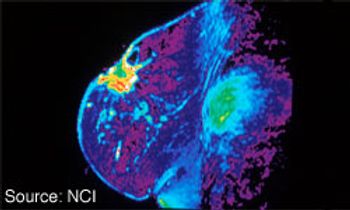
Neoadjuvant and adjuvant therapies, administered before and after primary anticancer therapy, respectively, have been shown in numerous clinical trials to reduce recurrence and improve survival in patients with breast cancer.
Delaying resistance to hormone therapy and prolonging PFS in women with hormone receptor-positive, advanced disease have remained elusive goals in breast cancer treatment.