
During a Targeted Oncology Case Based Peer Perspectives event, Ghasson K. Abou-Alfa, MD, reviewed the case of a 77-year old woman with hepatocellular carcinoma.

During a Targeted Oncology Case Based Peer Perspectives event, Ghasson K. Abou-Alfa, MD, reviewed the case of a 77-year old woman with hepatocellular carcinoma.

Immune checkpoint inhibitors blocking CTLA-4 or PD-1/PD-L1 often provide durable antitumor benefits to certain patients who respond to them; however, the percentage of responders is low, around 15% to 25%.
In a post hoc analysis of the randomized phase 3 SURTIME trial of patients with metastatic renal cell carcinoma, early treatment with sunitinib demonstrated better control over the disease as well as detection of progression before planned cytoreductive nephrectomy.
Inequities in patient enrollment to cancer clinical trials has once again bubbled to the surface of cancer conversations, resulting in collaboration between clinicians to address and overcome the barriers observed
As efforts to reduce exposure to the coronavirus ramped up, nonemergency surgical procedures were halted, screening procedures were delayed, and the amount of new cancer diagnoses declined.

An analysis of patient samples from The Cancer Genome Atlas indicated a possible connection between tumor responses to immunotherapy and patient baseline characteristics after investigators discovered evidence of stronger immune selection by female and younger patients in early tumorigenesis.

Jorge A. Rios, MD, a medical oncologist at Zangmeister Cancer Center in Columbus, Ohio, part of the American Oncology Network, shared the case of a woman who developed multiple severe adverse events attributable to durvalumab.
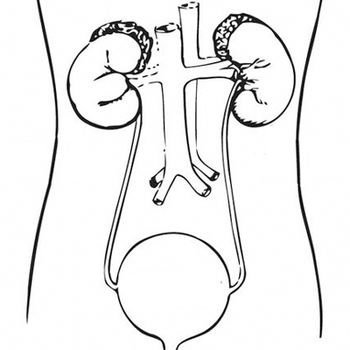
Arjun V. Balar, MD, reviewed the data from the KEYNOTE-057 and how they impact the treatment of urothelial cancer in an editorial note.
As COVID-19 alters current approaches to caring for patients with cancer, early emerging research data reinforce what practicing oncologists have been observing in their patients are at increased risk of mortality.
PARP inhibitors have propelled the field of metastatic castration-resistant prostate cancer forward as the next class of therapeutics to advance outcomes.