
SHR-A1811 showed promising antitumor activity and acceptable tolerability in patients with HER2-positive breast cancer, according to results of the phase 2 FASCINATE-N trial.

SHR-A1811 showed promising antitumor activity and acceptable tolerability in patients with HER2-positive breast cancer, according to results of the phase 2 FASCINATE-N trial.

Findings from the ENGOT-EN6-NSGO/GOG-3031/RUBY trial showed that patients with dMMR/MSI-H had a progression-free survival rate of 57.0% in the dostarlimab arm vs 10.2% in the placebo arm.


Lurbinectedin yielded a value of 6.52 nM on the key pharmacological efficacy variable IC50, according to a poster presented at the 2023 Annual Meeting of the American Association for Cancer Research

Updated results of the EMPOWER-Lung1 trial of cemiplimab in patients advanced or metastatic non–small cell lung cancer showed improvements in overall survival, progression-free survival, and overall response rate.

Hot flashes related to adjuvant hormone therapy were predictive of worse breast cancer outcomes, according to research on disease-free survival and treatment discontinuation in patients with and without hot flashes.

Patients with relapsed/refractory diffuse large B-cell lymphoma who benefit most from novel therapies vs patients who would likely do well with standard treatment were identified among all curatively treated patients in Sweden from 2007 to 2014.
Findings from a retrospective real world study conducted in patients with EGFR-mutated, stage IV non–small cell lung cancer from 4 Latin American countries showed a 66% frequency rate in molecular testing and a frequency of EGFR mutations of 22% overall.

The field of gynecologic cancer continues to leverage the role of immunotherapy and novel treatments to treat patients who have new diagnoses or who have recurrent disease.

Chimeric antigen receptor T cells manufactured using the Sleeping Beauty transposon in donor-derived cells and differentiated toward the cytokine-induced killer cell protocol induce a sustained response with minimal toxicities in patients with B-cell acute lymphoblastic leukemia.
Results from a large trial evaluating the combination of pembrolizumab and regorafenib showed durable results for patients with microsatellite stable colorectal cancer.

Analysis shows that International Prognostic Scoring System score and the presence of a JAK2 mutation was linked to risk of thrombosis in patients with primary myelofibrosis. Investigators observed a benefit for ruxolitinib in patients.

Updated data from the PHOEBE trial show that pyrotinib plus capecitabine improved overall survival in patients with HER2-positive breast cancer compared with lapatinib plus capecitabine.

Complex challenges have arisen with classifying and treating hematologic malignancies in recent years, according to Jorge E. Cortes, MD.

“We observed much more deeper responses and more meaningful responses [in the treatment arm] compared with the placebo arm, in which 15% of the population had deep responses of ≥ 80%."
A PI3Kα inhibitor, CYH33, demonstrated positive clinical activity in an ongoing phase 1a trial at the European Society for Medical Oncology Targeted Anticancer Therapies Virtual Congress 2021.

Prostate-specific antigen changes were observed 6 weeks after the administration of 177Lu-PSMA in men with metastatic castration-resistant prostate cancer, suggesting a prognostic value for long-term clinical benefit, according to a single center retrospective analysis.
At the recent 2020 American Society of Clinical Oncology Virtual Scientific Program, key research evaluating the use of anti-HER2 agents were highlighted across multiple solid tumors, including gastric or gastroesophageal junction adenocarcinoma, colorectal cancer, and non–small cell lung cancer.
"Men with advanced prostate cancer have exhausted local therapies and are now moving on to systemic options."
“We’ve seen remote data monitoring and remote data capturing. We are in a situation to continue moving forward, even in the midst of the pandemic, and, in fact, accelerate our position."
"This is the first time that such a large precision oncology platform [involving] pediatric patients was assessed for its clinical benefit."


"Historically, neoadjuvant hormone therapy has been shown to improve pathologic outcomes. Therefore, neoadjuvant androgen deprivation therapy may allow a nerve-sparing surgical approach to increase post-surgical quality-of-life outcomes without compromising oncologic outcomes.”

With the identification of new oncogenes leading to the development of drugs that target mutations, lung cancer can now be considered a treatable disease. In addition to advances in therapy, improved tumor testing can help the oncologist develop a personalized approach to treating patients.

"T-cell lymphomas are a heterogeneous group, and there is an opportunity to further educate the community oncologist on these specific issues."
“We can predict how a patient responds if PD-L1 levels are close to 100% or close to zero. But we cannot say [with certainty] that a patient with PD-L1 of 30% is going to have significantly different outcomes than a patient with PD-L1 of 40%.”
As a group, Rio Grande Urology shares a sense of obligation and culture. Its leaders have embraced an integrative model approach and sees the advantages of it. It was formed by 4 urology practices merging to build a main campus that houses the cancer center and radiation therapy center.

While results from ongoing trials with atezolizumab, pembrolizumab, nivolumab, and avelumab in bladder cancer are eagerly awaited, there is one subset of patients who require special attention - patients with upper tract urothelial cancer (UTUC).
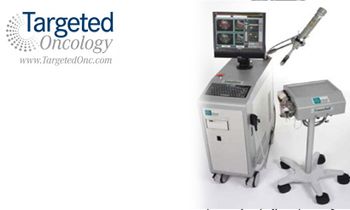
The FDA has announced clearance for a minimally invasive high-intensity focused ultrasound (HIFU) prostate tissue ablation device called Sonablate 450, making HIFU available in the United States for the first time.
June 20th 2020