
Cervical cancer screening based on identification of human papillomavirus (HPV) outperformed primary liquid cytology for detection of high-grade cervical intraepithelial neoplasia (CIN).

Cervical cancer screening based on identification of human papillomavirus (HPV) outperformed primary liquid cytology for detection of high-grade cervical intraepithelial neoplasia (CIN).

Dacomitinib has demonstrated potential as treatment for a subset of patients with recurrent squamous cell carcinoma of the head and neck (SCCHN).
The bromodomain inhibitor, OTX015, may have use in the treatment of hematologic malignancies, including acute leukemia and other hematologic malignancies that include lymphomas and multiple myeloma.

Allogeneic hematopoietic cell transplant (alloHCT) can be a mysterious process for patients and general oncologists.
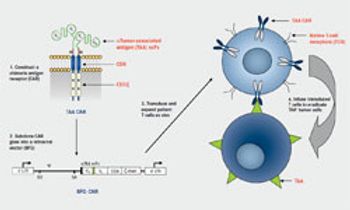
For nearly 2 decades, researchers have been exploring B-cell–specific antigens in hopes of developing a new anticancer target that could surpass the success of CD20-targeting agents.

The concept of cancer immunotherapy— using the patient’s immune system to target and eradicate cancer—has evolved over more than a century of research.

The combination of surgery, radioactive iodine (RAI), and L-thyroxine therapy is effective treatment for patients with differentiated thyroid cancer (DTC), which accounts for some 95% of all thyroid cancers.

The liver is a common site of metastatic recurrence for many tumors. For a minority of patients, surgical resection may be an option; however, most patients will not qualify for surgery due to insufficient liver functional reserve or other contraindications.