
C. Kent Osborne, MD, outlines current strategies for overcoming resistance to HER2-targeted agents in early breast cancer.

C. Kent Osborne, MD, outlines current strategies for overcoming resistance to HER2-targeted agents in early breast cancer.

Options for treating patients with hepatocellular carcinoma may currently be limited, with most physicians turning to a tyrosine kinase inhibitor for advanced disease, but physicians may soon be able to choose between a TKI and immunotherapy.

Two oncologists offer rationale for both sides of the argument for/against the upfront use of newer tyrosine kinase inhibitors for patients with ALK-positive or EGFR-mutant NSCLC.
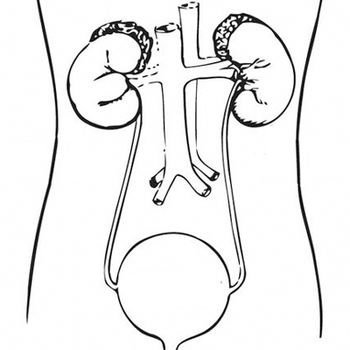
Immunotherapy agents have been rapidly absorbed into the treatment paradigm for various cancer types. Nowhere is this more obvious than in the treatment for patients with bladder cancer. In May alone, 3 checkpoint inhibitors were approved for use in bladder cancer, bringing the total of checkpoint inhibitors approved in this field to 5 agents.