




Prostate Cancer
Latest News
Advertisement
Video Series


Latest Videos



















































Advertisement
More News

During the 2026 NCCN Annual Conference, Sandy Srinivas, MD, emphasized that HRR mutation testing in advanced prostate cancer is underutilized.

Estradiol Patch Matches Standard Hormone Therapy in Phase 3 Trial
Published: | Updated:
Transdermal estradiol offers fewer hot flashes and lower fracture rates, but higher rates of gynecomastia, as it meets the noninferiority bar against LHRH agonists.
Early results from TALAPRO-3 suggest that the combination of talazoparib and enzalutamide may redefine the treatment paradigm for HRR gene-mutated mCSPC, demonstrating that targeting DNA damage repair earlier in the disease course substantially delays radiographic progression.

A discussion with the patient about the importance of bone health when treated with androgen-deprivation therapy (ADT) should occur early in the treatment plan.

The use of PSMA PET scans are useful in initial staging, detecting biochemical relapse, and eligibility for radionuclide treatment.
Although immunotherapy progress in prostate cancer has been slow, emerging strategies like bispecific T-cell engagers (BiTEs) show promise in overcoming historical resistance.

Althopugh current prostate cancer biomarkers have improved the detection of clinically significant disease (Gleason Grade Group 2+), they fail to distinguish between high-grade cancer and genuinely lethal cancer, potentially leading to overtreatment and underscoring the need for next-generation tools that identify patients at true mortality risk.

David R. Wise, MD, PhD, discusses the use of gotistobart, a next-generation CTLA-4 targeting antibody, in prostate cancer.
A phase 3 trial evaluating TLX591-Tx (lutetium-177 (177Lu) rosopatamab tetraxetan) showed positive safety and toxicity profile in prostate cancer.

The FDA approves a new formulation of piflufolastat F 18, enhancing prostate cancer imaging with improved efficiency and patient access.

CAPItello-281 shows capivasertib plus abiraterone extends rPFS in PTEN-deficient mHSPC with manageable toxicity and preserved overall quality of life.

PEACE-2 finds adding cabazitaxel to ADT plus radiotherapy fails to improve survival in high-risk localized prostate cancer, while increasing severe toxicities and deaths.
Findings from the phase 1 PAnTHA study demonstrate that actinium-225 was well tolerated with encouraging responses in patients with metastatic castration-resistant prostate cancer.
PEACE-3 data show enzalutamide plus radium-223 extends survival and delays progression in bone-predominant mCRPC, with manageable added toxicity.
The phase 2 BRCAAway trial demonstrated that abiraterone acetate, prednisone, and olaparib significantly improves progression-free survival and overall survival compared with either agent used alone or sequentially in patients with metastatic castration-resistant prostate cancer harboring BRCA1/2 or ATM alterations.
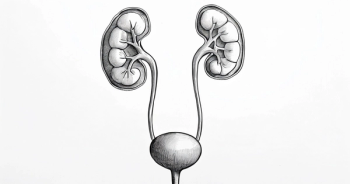
The 5-mg dose of oxybutynin reduced the frequency and severity of hot flashes in men with prostate cancer undergoing treatment with androgen-deprivation therapy compared with placebo.
New ASCO Living Guidelines on prostate cancer emphasize first-line therapies, bone protection, and the growing role of genetic testing.

Rucaparib receives full FDA approval for treating metastatic castration-resistant prostate cancer, offering a vital chemotherapy-free option for patients.
FDA approves a new treatment combining niraparib and abiraterone for BRCA2-mutated metastatic prostate cancer, enhancing patient outcomes.
JANX007 shows promising efficacy and manageable safety in treating metastatic castration-resistant prostate cancer, with significant PSA reductions and durable responses.

Che-Kai Tsao, MD, MS, discusses new approaches that could change the standard of care for metastatic hormone-sensitive prostate cancer.
The IsoPSA test revolutionizes prostate cancer diagnosis, enhancing risk assessment and reducing unnecessary biopsies for men with elevated PSA levels.
Advertisement
Advertisement
Trending on Targeted Oncology - Immunotherapy, Biomarkers, and Cancer Pathways
1
FDA Oncology Recap: Approvals, Designations, and Decisions in September 2026
2
Plinabulin Receives FDA Fast Track Designation in Post-ICI NSCLC
3
Denosumab Biosimilar Approved For Existing Oncology Indications
4
CEPHEUS and Frontline Treatment in Newly Diagnosed Multiple Myeloma
5