

In the FIGHT-101 study, clinical activity was demonstrated with pemigatinib in patients with FGF/FGFR-altered tumors.

In the FIGHT-101 study, clinical activity was demonstrated with pemigatinib in patients with FGF/FGFR-altered tumors.

Investigators in the MyPathway basket study found that the ALK inhibitor alectinib had clinical responses to ALK rearrangements in solid tumors but not other ALK alterations.

Total body irradiation (TBI) regimen and myeloablative transplantation followed by a graft-versus-host disease (GVHD) prophylaxis regimen resulted in a low occurrence of GVHD in adult and pediatric patients with hematologic malignancies

Valencia Thomas, MD, MHCM, discusses the current landscape regarding non-melanoma skin cancers.
Match-adjusted analysis of patients with follicular lymphoma treated with axicabtagene ciloleucel in the ZUMA-5 trial vs those treated with tisagenlecleucel in ELARA showed a similar outcomes in regard to efficacy between the 2 cellular therapies.

Priority review for a biologics license application has been granted by the FDA for tremelimumab as treatment of patients with unresectable hepatocellular carcinoma.
The FDA has granted orphan drug designation to the STA3 inhibitor, TTI-101, for the treatment of hepatocellular carcinoma. The agent is currently being investigated in a phase 1 clinical trial.

In an interview with Targeted Oncology, Basem Goueli, MD, PhD, MBA, discussed the recent crackdown on PI3K inhibitors and how this drug class may fit into future treatment for hematologic malignancies as well as solid tumors.

Melhem Solh, MD, discusses how the standard of care for patients with myelodysplastic syndrome and acute myeloid leukemia with the tumor protein 53 gene mutation has changed over the past decade.
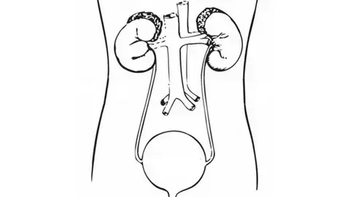
Adding pembrolizumab to CG0070 led to a complete response rate of 88.9% among 18 patients in the phase 2 CORE1 trial.

Anne Wooford, MD, provides background on her presentation around allogeneic stem cell transplant for the 2022 Transplantation & Cellular Therapy Meetings.
In a first-in-human study, patients with advanced solid tumors experienced an increase in dose-dependent T-cell proliferation following treatment with MEDI5752.

According to results from the phase 1b portion of the study KEYNOTE-B84 study, pepinemab plus pembrolizumab achieved complete responses in 2 of the first 3 patients with head and neck cancers enrolled.
CMG90 is the only drug in its class to have received fast-track status to date. Prior to its fast track status, the drug was granted orphan drug designation by the FDA.

Based on phase 3 study results of patients with extensive-stage small cell lung cancer, treatment with adebrelimab plus chemotherapy prolonged overall survival compared with matched placebo.

For advanced melanoma that is resistant to anti–PD-1 therapies, the addition of BO-112 to pembrolizumab appears to be effective and safe.
According to new research, genetic determinants of PSA proved to robustly predict prostate cancer diagnoses and improve the detection of aggressive disease; however, larger and more diverse studies are still required.
In a 16 to 0 vote, the FDA’s Oncologic Drugs Advisory Committee has voted yes to future approvals of PI3K inhibitors being supported by randomized data given observed toxicities in the drug class, research showing a detriment in OS, a narrow range between effective, and toxic doses.

Shannon N. Westin, MD, MPH, FACOG, discusses the endometrial cancer patient population enrolled in the phase 3 DUO-E trial.

Ann LaCasce, MD, MMSc, discussed how the landscape for patients with indolent B-cell lymphomas has changed positively over the past decade.

Carole Miller, MD, discusses notable factors which correlated with survival for patients with polycythemia vera in the REVEAL study.
Valencia D. Thomas, MD, discussed managing patients with aggressive non-melanoma skin cancers with the emergence of new treatment options and technology.
Robert J. Soiffer, MD, discusses how the role of transplantation is evolving with the availability of chimeric antigen receptor T-cell agents.

In an interview with Targeted Oncology, Luv Hajirawala, MD, discussed the relevance of high-risk features in patients with stage III colon cancer, and how a recent real-world analysis may change risk stratification in the future.
Updated results from the RATIONALE-309 study show that tislelizumab continues to prolong PFS extend PFS after the next line of therapy in patients with recurrent or metastatic nasopharyngeal carcinoma.
A recent study looked into where time-to-next therapy and overall survival with immune checkpoint inhibitors were longer compared with taxane therapy, in patients with metastatic castration-resistant prostate cancer.
Trastuzumab deruxtecan for the treatment of patients with unresectable or metastatic non–small cell lung cancer has been granted priority review by the FDA.

In an interview with Targeted Oncology, William J. Gradishar, MD, discussed the current landscape of caring for patients with advanced breast cancer.
The FDA has granted approval to the biologics license application for bevacizumab-maly, a biosimilar of bevacizumab.

Ravi Salgia, MD, PhD, discusses the results from a study of LB-100 combined with chemotherapy or immunotherapy to address transformation from non-small cell lung cancer to small cell lung cancer.