

Findings of CheckMate 816 show improved event-free survival and partial complete response and promising overall survival results with the use of neoadjuvant nivolumab in combination with chemotherapy for patients with resectable NSCLC.

Findings of CheckMate 816 show improved event-free survival and partial complete response and promising overall survival results with the use of neoadjuvant nivolumab in combination with chemotherapy for patients with resectable NSCLC.

Targeting multiple immune cell pathways may elicit better major pathologic and pathologic complete responses in patient with resectable, early-stage non–small cell lung cancer versus immune checkpoint inhibition alone.

With a voluntary partial clinical hold in place, patients who were already enrolled to the TakeAim Lymphoma study and deriving benefit from emavusertib can continue treatment at the dose of 300 mg twice daily or lower.
Chimeric antigen receptor T-cell therapy showed early efficacy and a tolerable safety profile with or without an mRNA vaccine in a phase 1 clinical trial.
Treatment with nivolumab plus chemotherapy was more effective compared with chemotherapy alone in patients with advanced gastric cancer, gastroesophageal junction cancer, and esophageal adenocarcinoma in the CheckMate 649 study.

An olaparib triplet demonstrated efficacy in patients with recurrent advanced or metastatic endometrial cancer treated in the ENDOLA clinical trial.
According to new data, different dosing strategies of elimusertib for advanced solid tumors with ATM alterations and other DNA damage repair gene defects has demonstrated early efficacy.
CCR7-positive and CD45RA-positive T cells that expressed CD27 and CD28 appear to be associated with all efficacy metrics, including durability or response, according to an analysis of the ZUMA-7 clinical trial.
Sotorasib continues to wow in the phase 1/2 CodeBreaK 100 trial of patients with KRAS G12C–mutant non–small cell lung cancer.
Prolonged periods of radiographic and clinical improvement in children and young adults with H3K27M diffuse intrinsic pontine gliomas and spinal diffuse midline gliomas has been shown with GD2-directed chimeric antigen receptor T cells.
Solange Peters, MD, PhD, discusses the biomarkers for immunotherapy used in the phase 3 CheckMate 743 trial.

Matthew J. Matasar, MD, discusses the ways to improve on the combination of R-CHOP in patients with diffuse large B-Cell lymphoma.

Part 2 of the phase 1/2 trial investigating LUT014, a topical agent for radiation-induced dermatitis in patients with breast cancer, completed its enrollment of 20 patients.
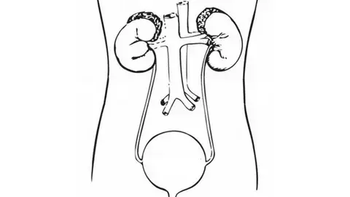
In an interview with Targeted Oncology, Shawn Dason, MD, discussed existing disparities in prostate cancer, the impact of the COVID-19 pandemic on the issue, and achieving health equity for patients with prostate cancer in the future.

Efficacy and toxicity of standard four dose nivolumab and ipilimumab induction therapy in melanoma to be likely driven by the first 2 doses as demonstrated in the Adaptively Dosed ImmunoTherapy Trial.

MARCH study in patients with relapsed/refractory multiple myeloma confirms the results of the STORM study and demonstrates positive overall response rates.
The PROPHETIC trial of a predictive diagnostic analysis platform expanded to a new site at Roswell Park Comprehensive Cancer Center in Buffalo, New York.

According to 5-year survival data from the BILCAP study, capecitabine stands up to observation as a treatment strategy for patient with biliary tract cancer.

The FDA has granted orphan drug designation to serplulimab for the treatment of patients with small cell lung cancer.
Several notable trials in colorectal cancer suggest a shift in treatment management, especially in the length of treatment with immunotherapies.

Oncologists from Florida Cancer Specialists & Research Institute recently participated in the FLASCO Fellow & Resident Educational Training Program.

Using combination treatments in the concurrent setting with chemotherapy, radiation therapy, or small molecule oncogene and pathway inhibitors may yield positive data in one setting but not another.

Results from the BIONIKK study confirm that response to immune checkpoint inhibitor monotherapy or combination therapy as well as to VEGFR tyrosine kinase inhibitor therapy is different depending on the characteristics of the tumor and its microenvironment.
Leuprolide 42 mg injection emulsion for the treatment of adult patients with advanced prostate cancer has launched in the United States.
Results from the phase 3 I/ONTAK trial demonstrated anti-tumor activity in the treatment of persistent or recurrent CTCL

Tracy Rose, MD, discusses the promising outlook of the current bladder cancer space.
FDA fast track designation has been granted to a novel agent, DT2216, for the treatment of patient with relapsed or refractory peripheral T-cell lymphoma and cutaneous T-cell lymphoma.
In pediatric patients with relapsed or refractory B-cell acute lymphoblastic leukemia who had a non-response to blinatumomab and a high-disease burden, worse outcomes were observed , according to retrospective research.
In an interview with Targeted Oncology, Viktor Grünwald, MD, discussed the newest updates and advances in RCC and what the current space looks like.