
Clinical Trials

The AFFINITY study has finished enrolling participants to evaluate the Aliya pulsed electric field system in patients with stage IV non–small cell lung cancer or lung metastases who are not candidates for surgery.
Advertisement
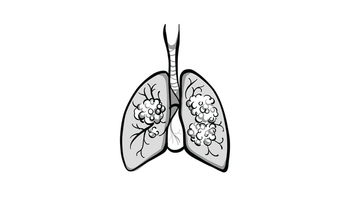
LP-300, a novel small molecule, shows promise as a potential breakthrough treatment for advanced non–small cell lung cancer in never smokers.

A phase 1 trial is evaluating treatment with MT-303 in patients with hepatocellular carcinoma to determine its safety, pharmacokinetics, pharmacodynamics, and preliminary efficacy.

The FDA has granted an orphan drug designation to alemtuzumab, a chimeric antigen receptor T-cell therapy for relapsed/refractory B-cell acute lymphoblastic leukemia.
The phase 3 IDeate-Lung02 study has dosed its first patient with small cell lung cancer with the investigational antibody-drug conjugate infinatamab deruxtecan.
Advertisement
The CAR T-cell therapy UCART22 has been granted orphan drug designation and rare pediatric drug designation from the FDA for the treatment of acute lymphoblastic leukemia.
The first pretreated patient with HER2-altered non–small cell lung cancer was dosed with NVL-330, a novel HER2-selective inhibitor, in the HEROEX-1 trial.

A phase 1 trial is underway to assess the safety and efficacy of BTX-9341, a novel investigational oral degrader of CDK4/6 in HR-positive/HER2-negative breast cancer.

The first patient with metastatic sarcoma in the US has been treated with INT230-6 alone in the phase 3 INVINCIBLE-3 study.

The FDA has approved a phase 1, first-in-human trial to evaluate the safety and potential effectiveness of ACTM-838, a novel immunotherapy drug for advanced solid tumors.
The first patient has been given CT-0525, a first-in-class, ex vivo gene-modified autologous CAR-monocyte cellular therapy, in a phase 1 trial of the agent for those with HER2-overexpressing solid tumors.
Phase 1 of the Acclaim-3 study evaluating quaratusugene ozeplasmid plus atezolizumab in patients with extensive-stage small cell lung cancer has enrolled and dosed its first patient.

The first patient has been dosed in the phase 2 AlphaBreak trial with FPI-2265 for the treatment of metastatic castration-resistant prostate cancer, marking a significant milestone in advanced cancer treatment.
Recently published guidelines from the FDA aim to expand eligibility criteria in clinical trials with recommendations for laboratory values, washout periods, and patient performance status.

The first arm of the phase 2 PROSPECT study evaluating tirabrutinib for the treatment of relapsed/refractory primary central nervous system lymphoma has finished enrolling patients.
The FDA fast-tracked MVR-T3011, an intratumorally injected oncolytic virus, for treating recurrent or metastatic head and neck squamous cell cancer post-platinum chemotherapy and at least 1 prior anti-PD1/PDL1 therapy.
The natural killer cell therapy IDP-023 is being studied in a phase 1 trial for the treatment of patients with non-Hodgkin lymphoma and multiple myeloma.

Following a favorable independent data monitoring committee review, the phase 3 PRESERVE 2 trial of trilaciclib in the first-line for patients with metastatic triple negative breast cancer treatment will move forward.
A phase 2 trial is underway to assess alisertib for extensive-stage small cell lung cancer treatment, aiming to enroll up to 60 patients.

A phase 1, first-in-human study is evaluating a novel CAR T-cell therapy in patients with ovarian cancer at Moffitt Cancer Center.

A phase 2 trial for the treatment of gastric, esophageal, and gastroesophageal junction cancer is evaluating agenT-797 with botensilimab, balstilimab, ramucirumab, and paclitaxel.
A trial investigating REM-001 therapy in cutaneous metastatic breast cancer has been initiated.
Magrolimab will no longer be in development as a treatment option for patients with hematologic malignancies.
Following clearance from the FDA, Hoth Therapeutics is carrying out a clinical trial as part of its open investigational new drug program for HT-001 in cancers undergoing toxicities from EGFR inhibition.
The AMPLIFY-7- trial is evaluating the investigational therapeutic cancer vaccine ELI-002 7P in patients with solid tumors that harbor KRAS or NRAS mutations.
The phase 2 DisTinGuish study is evaluating the combination of DKN-01, tislelizumab, and chemotherapy for the first-line treatment of patients with advanced gastroesophageal adenocarcinoma.
The phase 1/2 CaRe PC trial evaluating INKmune, a biologic therapy, in male patients with metastatic castration-resistant prostate cancer has dosed its first patient.

Joshua Richter, MD, talks about the barriers to diversity in oncology clinical trials.
In an interview with Targeted Oncology, Joshua Richter, MD, discusses how community oncologists can help manage disparities in diversity in clinical trials.
Advertisement
Advertisement
Trending on Targeted Oncology - Immunotherapy, Biomarkers, and Cancer Pathways
1
FDA Does Not Approve 177Lu-Edotreotide for GEP-NETs
2
Myeloma Physicians Consider Approaches to Subcutaneous Therapy
3
Why Clinical Trial Enrollment Matters in the Fight Against Cancer
4
EIK1001 Dose Selected for Registrational Phase 2/3 Melanoma Trial
5