


HEMATOLOGY
Latest News
Advertisement
Video Series


Latest Videos





CME Content






































Advertisement
More News
Amer Zeidan, MBBS, discusses common adverse events and toxicity management for imetelstat in patients with myelodysplastic syndromes.
Andrew M. Brunner, MD, discusses the mechanism of action of telomerase inhibitors as treatment for anemia related to myelodysplastic syndrome.

During a live event, Taha Al-Juhaishi, MD, discussed long-term outcomes of treating blastic plasmacytoid dendritic cell neoplasm and how to navigate toxicities and transplant.

During a live event, Raajit K. Rampal, MD, PhD, discussed ropeginterferon's potential to reduce JAK2 allele burden in low-risk polycythemia vera.
During a live event, Raajit K. Rampal, MD, PhD, discusses managing a patient with low-risk polycythemia vera.
During a live event, Taha Al-Juhaishi, MD, discussed his experience treating blastic plasmacytoid dendritic cell neoplasm and getting patients to allogeneic transplant.

The CAR-T treatment GLPG5101 received the FDA's RMAT designation by showing promising efficacy with rapid delivery and low toxicity in mantle cell lymphoma.

Explore the latest advancements in immunotherapies for T-cell lymphoma, addressing unique challenges and promising new treatment options.
During a live event, Thomas LeBlanc, MD, MA, discussed dose escalation of luspatercept in myelodysplastic syndromes and response to treatment based on mutational analyses.

Recent studies reveal promising outcomes for discontinuing TKI therapy in select patients with Philadelphia chromosome-positive acute lymphoblastic leukemia, suggesting potential long-term remission.
During a live event, Thomas LeBlanc, MD, MA, discussed the outcomes of the COMMANDS trial of luspatercept in myelodysplastic syndromes.

SENTI-202, a groundbreaking CAR NK-cell therapy, targets relapsed/refractory AML, offering hope for patients with limited treatment options.
During a live event, Gary J. Schiller, MD, explored the outcomes of the phase 1/2 trial of tagraxofusp-erzs in patients with blastic plasmacytoid dendritic cell neoplasm.
Abhishek Maiti, MD, discussed the EVICTION trial in AML and results presented during the 2025 American Society of Clinical Oncology (ASCO) Annual Meeting.
During a live event, Gary J. Schiller, MD, reviewed the diagnostics and characteristics of blastic plasmacytoid dendritic cell neoplasm.
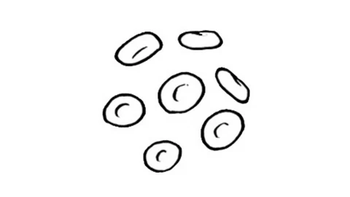
Cohort 1 of the GTB-3650 phase 1 trial completed with no safety issues observed in patients with CD33-expressing hematologic malignancies.
Olalekan O Oluwole, MD, MBBS, discussed a study on cytokine release syndrome and neurological events post axicabtagene ciloleucel in large B-cell lymphoma.

During a live event, Chris Benton, MD, discussed the focus on anemia management, reducing transfusions, and improving quality of life in MDS.
SGX301 has shown rapid and sustained benefit in early cutaneous T-cell lymphoma in an investigator-initiated study, with good safety.
AFM13-NK combo shows high response rates in relapsed/refractory lymphoma trial, per survival data reported at 20 months.
Following a successful Type B end-of-phase 2 meeting, the FDA has approved the start of a phase 3 trial of linperlisib in peripheral T-cell lymphoma.
Marlise R. Luskin, MD, MSCE, discusses the vigilant monitoring required for capillary leak syndrome with tagraxofusp in BPDCN.
Monzr M. Al Malki, MD, discussed data for AlloHeme, a blood test used to detect risk of relapse post-transplant in patients with AML and MDS.

The “off-the-shelf” CAR T-cell therapy CTD402 will be evaluated in a phase 1b/2 trial for patients with T-cell acute lymphoblastic leukemia and lymphoma.
Advertisement
Advertisement
Trending on Targeted Oncology - Immunotherapy, Biomarkers, and Cancer Pathways
1
Subcostal Robotic Surgery Cuts Thoracic Pain
2
FDA Grants Final Approval to Cabozantinib Capsule Formulation
3
David DiBardino, MD, on the Rationale for Intratumoral Therapy in Lung Cancer
4
Risk-Adapted Quadruplet Therapy Sustains 5-Year Survival Benefit in High-Risk Myeloma
5