




HEMATOLOGY
Latest News
Advertisement
Video Series








Latest Videos

CME Content






































Advertisement
More News

The investigational new drug application for UB-VV111, potentially the first in situ generated CD19 CAR T-cell therapy, has been cleared by the FDA, and a phase 1 trial in hematologic malignancies will begin.
The FDA has extended the PDUFA target action date for the new drug application of revumenib for adult and pediatric patients with relapsed/refractory KMT2A-rearranged acute leukemia to December 26, 2024.
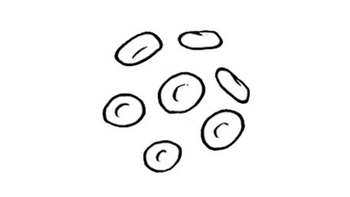
The NCCN has updated its guidelines to recommend imetelstat as a top treatment for symptomatic anemia in lower-risk MDS, following its FDA approval based on encouraging phase 3 trial results.

The CAR T-cell therapy UCART22 has been granted orphan drug designation and rare pediatric drug designation from the FDA for the treatment of acute lymphoblastic leukemia.

During a Case-Based Roundtable® event, Pinkal Desai, MD, MPH, discusses the presentation of blastic plasmacytoid dendritic cell neoplasm vs other diseases in a patient case.
Neel Bhatt, MBBS, MPH, discusses a study exploring long-term quality of life outcomes of patients who underwent stem cell transplantation for aplastic anemia.
The FDA has accepted the resubmitted application of remestemcel-L, a potential first-of-its-kind treatment for pediatric patients following stem cell transplants.

Corey Cutler, MD, MPH, and Hannah Choe, MD, provide future perspectives on the development of axatilimab for patients with chronic GVHD.
The FDA has granted a rare pediatric disease designation to SLS009 for treating pediatric acute myeloid leukemia.
Following the report of a serious and unexpected grade 4 adverse effect, a partial clinical hold has been placed on the phase 1 trial evaluating seclidemstat with azacitidine in myelodysplastic syndrome and chronic myelomonocytic leukemia.

Elias Jabbour, MD, provides an overview of the significance of the FDA approval of ponatinib plus chemotherapy for the treatment of adult patients with newly diagnosed Philadelphia chromosome-positive acute lymphoblastic leukemia.
The FDA granted a fast track designation to DSP-5336 in relapsed/refractory AML with a KMT2A rearrangement or NPM1 mutation, showing promising results and safety in early trials.
Experts on graft-vs-host disease discuss the potential role for axatilimab within current treatment algorithms.
A hematologist provides an overview of the AGAVE-201 trial investigating axatilimab in patients with chronic graft-vs-host disease.
The completion of the End of Phase 2 meeting for the phase 1B/2 trial of annamycin and cytarabine in acute myeloid leukemia has been announced.

During a Case-Based Roundtable® event, Amer Zeidan, MBBS, reviewed data for luspatercept-aamt for patients with low-risk myelodysplastic syndrome in the second article of a 2-part series.

Hannah Choe, MD, provides insights on potential areas for improvement in developing more targeted and effective treatments for chronic GVHD.

Corey Cutler, MD, MPH, discusses how axatilimab’s mechanism of action differs from currently available therapies for patients with chronic GVHD.

A phase 1/2 trial evaluating DSP-5336 for the treatment of patients with acute leukemia harboring either an NPM1 mutation or KMT2A rearrangement showed early response rates.
Mikkael A. Sekeres MD, MS, further discussed the approval of imetelstat for the treatment of patients with low- to intermediate-1 risk myelodysplastic syndromes.

Zanubrutinib treatment resulted in £599,000 cost savings and 3.7 QALY savings compared with acalabrutinib for 1000 hypothetical patients.
Hematologic oncologists review therapeutic options for patients with chronic GVHD and provide clinical insights on their treatment approaches.
Corey Cutler, MD, MPH, and Hannah Choe, MD, provide an overview of chronic graft-vs-host disease (GVHD) and identify characteristics that differentiate it from acute GVHD.

During a Case-Based Roundtable® event, Amer Zeidan, MBBS, discussed how he would have approached a patient with anemia from low-risk myelodysplastic syndrome before the development of newer drugs in the first article of a 2-part series.

Guillermo Garcia-Manero, MD, provides a brief overview of lower-risk myelodysplastic syndromes (LR-MDS).
Advertisement
Advertisement
Trending on Targeted Oncology - Immunotherapy, Biomarkers, and Cancer Pathways
1
Subcostal Robotic Surgery Cuts Thoracic Pain
2
FDA Grants Final Approval to Cabozantinib Capsule Formulation
3
David DiBardino, MD, on the Rationale for Intratumoral Therapy in Lung Cancer
4
Risk-Adapted Quadruplet Therapy Sustains 5-Year Survival Benefit in High-Risk Myeloma
5