The THUNDER case-control study elicited a 69.1% rate of sensitivity and 98.9% rate of specificity with the OverC™ MCDBT in adult patients with various cancers.

The THUNDER case-control study elicited a 69.1% rate of sensitivity and 98.9% rate of specificity with the OverC™ MCDBT in adult patients with various cancers.
The FDA has approved the liquid biopsy next-generation sequencing-based test FoundationOne Liquid CDx in companion with entrectinib for patients with non–small cell lung cancer with a ROS1 mutation in their tumor.
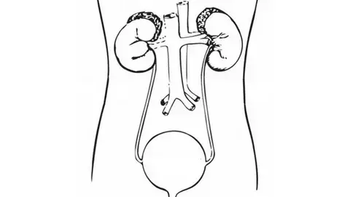
A Nectin-4–directed drug received FDA Fast Track Designation based on preclinical and clinical data showing potential efficacy and safety in patients with locally advanced or metastatic urothelial cancer.
Based on data from a phase 1/2 study, a biologics license application has been accepted for glofitimab and the product has been granted priority review to for relapsed/refractory large B-cell lymphoma.
JBI-802, which is being evaluated in a phase 1/2 trial, received an orphan drug designation from the FDA for the treatment of patients with small cell lung cancer and acute myeloid leukemia.
The FDA has granted the OncobiotaLUNG assay a breakthrough device designation for the early detection of lung cancer.
With the FDA clearing an investigational new drug application for HBM1020, the antibody can begin to be evaluated in clinical trials of patients with solid tumors.
MOUNTAINEER study results have wowed the FDA, leading to an accelerated FDA approval of tucatinib plus trastuzumab as RAS wild-type, HER2-positive unresectable or metastatic colorectal cancer treatment.
Zanubrutinib has been granted FDA approval for the treatment of patients with chronic lymphocytic leukemia or small lymphocytic lymphoma.
LNS8801 has proven to be safe, well-tolerated, and demonstrated clinical benefit in patients with advanced cancers. Now, the FDA has granted the agent orphan drug designation for metastatic cutaneous melanoma.
Due to its potential to fill a treatment gap in the HER-low and HER-positive endometrial cancer space, DB-1303 now has an FDA fast track designation.
An investigational new drug application for IMPT-314 has been cleared by the FDA. A phase 1/2 trial investigating the agent will be initiated in early 2023.
A speedy FDA review of the approval application for avapritinib for indolent systemic mastocytosis has commenced.
Results from the phase 3 PEARLS/KEYNOTE-091 trial have led to the FDA approval of adjuvant pembrolizumab for the treatment fully resected NSCLC.
Based on findings from the phase 1/2 BRUIN trial, pirtobrutinib has been approved by the FDA for patients with relapsed/refractory mantle cell lymphoma.
Elacestrant has recieved FDA approval for the treatment of patients with estrogen receptor-positive/HER2-negative advanced or metastatic breast cancer.
The Guardant360 CDx, which will identify patients with advanced or metastatic breast cancer who have ESR1 mutations and may benefit from elacestrant, is the fifth test to be approved by the FDA and first for patients with breast cancer.
Based on results from a phase 1b study of pimicotinib showing the therapys efficacy in patients with tenosynovial giant cell tumor, the agent has gained breakthrough therapy designation from the FDA.