FDA-approved TRK inhibitors entrectinib and larotrectinib have demonstrated safety and efficacy in treating a variety of solid tumors.

FDA-approved TRK inhibitors entrectinib and larotrectinib have demonstrated safety and efficacy in treating a variety of solid tumors.

In this first video of the series, Steven G. Waguespack, MD, of the University of Texas MD Anderson Cancer Center provides an overview of the safety and efficacy of larotrectinib and considers how it has impacted the treatment landscape for NTRK fusion-positive cancers.
In the first interview of this series, Steven G. Waguespack, MD, considers long-term safety and efficacy data on larotrectinib and discusses implications for the treatment landscape for NTRK fusion-positive thyroid cancer.
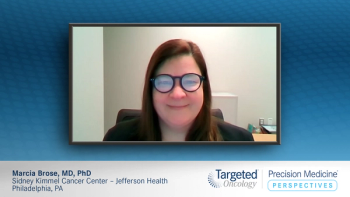
In the second video of the series, Marcia Brose, MD, PhD, from the Sidney Kimmel Cancer Center – Jefferson Health shares key insights into factors affecting treatment decisions for patients with TRK fusion-positive cancers including the consideration of comorbidities and adverse event profiles.
In the second interview of the series, Marcia Brose, MD, PhD, reviews currently available therapies for NTRK fusion-positive thyroid cancer and highlights clinical factors affecting treatment decision-making.

In the third video interview of the series, David S. Hong, MD, from the University of Texas MD Anderson Cancer Center discusses the safety and efficacy of first-generation TRK inhibitors and reflects on challenges affecting next-generation TRK inhibitors including research into mechanisms of treatment resistance.
In this companion article, David S. Hong, MD, considers the safety and efficacy of the first-generation TRK inhibitor larotrectinib and discusses how acquired resistance may affect research into second-generation agents.