
Barbara Burtness, MD, discusses the explosion of immunotherapies on the horizon for patients with metastatic head and neck cancer.

Barbara Burtness, MD, discusses the explosion of immunotherapies on the horizon for patients with metastatic head and neck cancer.
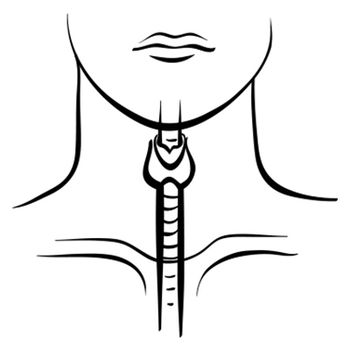
Anaplastic thyroid cancer is an extremely aggressive form of cancer that cannot be cured by surgery and has a median survival of about 6 months. The malignancy normally occurs in patients over the age of 60, and there is not a standard of care, according to John A. Copland III, PhD, professor, Cancer Biology, Mayo Clinic.

Asa says one of the most common mutations in subtypes of thyroid cancer is the BRAF mutation. She adds that while the mutation is common, a good number of patients do not respond to BRAF-targeted therapies, hinting that these subtypes are more complex than previously thought.
Patients with a certain type of oral human papilloma virus (HPV) have an increased risk of developing head and neck squamous cell carcinoma, as well as oropharyngeal cancer, according to a new study.
Muller says if this common antigen does exist, an immune therapy could hypothetically be developed to combat it and essentially combat both breast and thyroid cancer.

Dadu says immunotherapies could afford patients with thyroid cancer an elongated progression free survival, potentially less toxicities, and most importantly an extensive overall survival benefit.
With the phase III CheckMate-141 trial being stopped early due to the anti-PD-1 agent nivolumab having met its primary endpoint of overall survival improvement in head and neck cancer, Robert Ferris, MD, PhD, couldn't be more elated.

Anti–PD-1 agent nivolumab boosted overall survival versus an investigator's choice of therapy in platinum-refractory squamous cell carcinoma of the head and neck (SCCHN) during a recent trial.