
T-VEC, a novel oncolytic immunotherapy derived from the herpes simplex virus type 1, demonstrated a significant improvement in DRR, the primary endpoint in a pivotal phase III trial in patients with stage IIIB-IV melanoma.

T-VEC, a novel oncolytic immunotherapy derived from the herpes simplex virus type 1, demonstrated a significant improvement in DRR, the primary endpoint in a pivotal phase III trial in patients with stage IIIB-IV melanoma.

MPDL3280A produced durable responses in studies in patients with forms of locally advanced/metastatic cancers, including smokers with NSCLC who customarily have poorer responses to cancer therapies than nonsmokers.

The use of cancer immunotherapies has evolved. The latest immunotherapies are not only effective, but also accessible enough to be administered not just by expert immunologists, but by general oncologists.

Targeted Therapies spoke with Suzanne Topalian, MD, professor of Surgery and Oncology at Johns Hopkins University School of Medicine, about the progress and promise of PD-1 targeted cancer therapy.

Targeted Oncology spoke with Antoni Ribas, MD, PhD, director of the Tumor Immunology Program Area at UCLA's Jonsson Comprehensive Cancer Center, about the emerging role for immunotherapy in cancer.

Naiyer A. Rizvi, MD, an associate attending physician, Memorial Sloan-Kettering Cancer Center, discusses PD-1 and PD-L1 antibodies in development for the treatment of lung cancer.
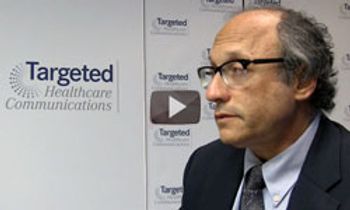
Jeffrey A. Sosman, MD, from the Vanderbilt University School of Medicine and Vanderbilt-Ingram Cancer Center, discusses the use of checkpoint inhibitors in cancer care.
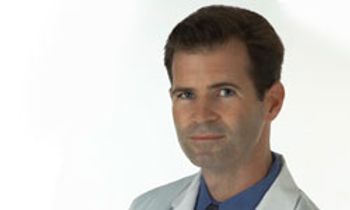
PD-L1 expression in tumors is a candidate molecular marker warranting further investigation as a means to select patients for immunotherapy with an anti PD-1 antibody

Concurrent nivolumab and ipilimumab produced “rapid and deep†responses in patients with advanced melanoma who took part in the first phase I trial to evaluate the PD-1-blocking antibody nivolumab, along with the CTLA-4-blocking antibody ipilimumab.

Julie R. Brahmer, MD, from Johns Hopkins University School of Medicine, Sidney Kimmel Comprehensive Cancer Center, discusses the outlook for immunotherapies in cancer care.