
Renier J. Brentjens, MD, PhD, associate professor, chief, Cellular Therapeutics Center, Memorial Sloan Kettering Cancer Center, discusses the outlook for CAR-modified T cells.

Renier J. Brentjens, MD, PhD, associate professor, chief, Cellular Therapeutics Center, Memorial Sloan Kettering Cancer Center, discusses the outlook for CAR-modified T cells.
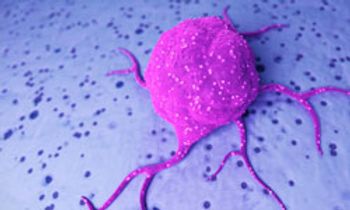
With the growing knowledge of immune system components, signaling processes, and regulatory networks, cancer immunotherapy has yielded increasingly favorable treatment outcomes.
While the concept of cancer-specific immunotherapy is not new, it recently has been proven feasible as a rational treatment for patients with some of the most challenging and difficult malignancies.
Harriet Kluger, MD, associate professor of medicine (medical oncology), associate director, Hematology/Oncology Fellowship Program, Yale Cancer Center, explains how immunotherapies are changing the treatment of melanoma.

The use of predictive biomarkers in cancer medicine may allow oncologists to target interventions to populations with greater response rates, affect sizes, and benefit-risk ratios.

Work on viruses as antitumor agents began in the 1950s, but advances in molecular biology have provided new tools and new possibilities for engineering their potency, selectivity, and safety.
Balazs Halmos, MD, section chief of Thoracic Oncology at NewYork-Presbyterian Hospital/Columbia University Medical Center, discusses the future of immunotherapy treatments.

Survival rates for patients with cancer have consistently increased in past decades. However, a gap remains in treatment options, particularly for patients with a history of treatment for advanced or recurrent solid-tumor cancers.