

|Videos|April 6, 2016
Episode 4: Dr. Fajgenbaum’s Commentary
Advertisement
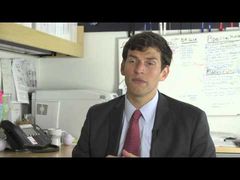



- Patient did very well for full year after cytotoxic chemotherapy, while on anti-interleukin-6 therapy
- After ~12 months of remission, patient experiences repeat symptoms
- Enlarged lymph nodes, fatigue, nausea, and eruption of cherry hemangiomas
- Potential relapse suspected
- Again, treated with rituximab
- Proves ineffective
- Patient given repeat combination of cytotoxic chemotherapy and has positive response
- Patient had idiopathic Multicentric Castleman Disease, but did not do well long term on siltuximab
- HAMA performed to see if any antibodies to mouse antibodies of siltuximab
- None found; another cytokine suspected as involved in driving patient’s illness, other than interleukin-6
- Once patient improved, following cytotoxic chemotherapy, he is kept on more intense maintenance regimen of weekly bortezomib, dexamethasone, and daily thalidomide, while continuing anti-interleukin-6 therapy
- Doctors hoped combination would help to keep patient in remission
- Patient in remission for just over year and a half
Read through the episodes of one patient’s journey toward an accurate diagnosis and listen to an expert’s analysis on each episode.
Advertisement
Related Content
Advertisement



Latest CME






























Advertisement
Advertisement
Trending on Targeted Oncology - Immunotherapy, Biomarkers, and Cancer Pathways
1
NCCN Survey Finds Persistent Cancer Drug Shortages Across US Centers
2
Risk-Adapted Quadruplet Therapy Sustains 5-Year Survival Benefit in High-Risk Myeloma
3
FDA Grants Final Approval to Cabozantinib Capsule Formulation
4
Subcostal Robotic Surgery Cuts Thoracic Pain
5