|Videos|September 10, 2014
The Potential to Combine KIT and CTLA-4 Blockade in Patients With GIST
Author(s)William D. Tap, MD
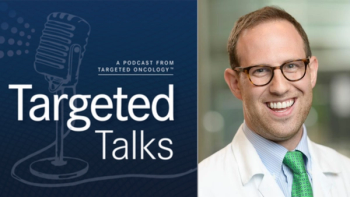
William D. Tap, MD, discusses the potential to combine KIT and CTLA-4 blockade in patients with refractory GIST and other advanced sarcomas.
Advertisement
Clinical Pearls
William D. Tap, MD, Chief, Sarcoma Medical Oncology Service, Memorial Sloan Kettering Cancer Center, discusses the potential to combine KIT and CTLA-4 blockade in patients with refractory GIST and other advanced sarcomas.

- When GIST respond to imatinib, an important immune-mediated response occurs. Research has shown that an immune response is often responsible for the development of resistance to drugs such as imatinib.
- If a checkpoint inhibitor is given after a TKI, an improvement in the immune response is seen.
- As drug resistance makes GIST difficult to treat, the hope is that combining drugs such as dastinib and ipilimumab may be a new option for patients.
Advertisement
Latest CME
Advertisement
Advertisement
Trending on Targeted Oncology - Immunotherapy, Biomarkers, and Cancer Pathways
1
NCCN Updates Breast Cancer Guidelines: Sacituzumab Govitecan for 1L TNBC
2
FDA Accepts BLA for Ivonescimab in Pretreated EGFR-Mutated NSCLC
3
FDA Grants FTD to GPRC5D Bispecific LBL-034 for R/R Multiple Myeloma
4
Multiomic Real-World Data Predict Outcomes in Metastatic Breast Cancer
5