
Data from the phase 1/2a CLN-081-001 trial showed the clinical benefit of CLN-081 in patients with EGFR exon 20 insertion-positive non–small cell lung cancer.

Data from the phase 1/2a CLN-081-001 trial showed the clinical benefit of CLN-081 in patients with EGFR exon 20 insertion-positive non–small cell lung cancer.

The safety profile of relugolix in patients with advanced prostate cancer has been demonstrated in the phase 3 HERO clinical trial.

Results from the phase 2 CheckMate-848 study show that nivolumab in combination and ipilimumab may be effective for the treatment of advanced or metastatic tumor mutational burden–high solid tumors that were refractory to standard therapies.
The phase 2 BAYOU study failed to meet its primary end point of improvement in progression-free survival with olaparib plus durvalumab in patients with platinum-ineligible metastatic urothelial carcinoma.
Results presented during the 2022 Gastrointestinal Cancers Symposium showed that 58.6% of evaluable patients experienced complete regression and fibrosis with no tumor cells.

Early research shows that the menin inhibitor, KO-539, may have synergy with other targeted agents for the treatment of KMT2A-rearranged and NPM1-mutated acute myeloid leukemia tumors.

Cilta-Cel produced an overall response of 95% in patients with heavily pretreated multiple myeloma.

Undetectable minimal residual disease may be achieved with time-limited ublituximab and umbralisib added to ibrutinib in patients with chronic lymphocytic leukemia.
Monsunetuzumab induced deep and durable remission in patients with heavily pretreated follicular lymphoma.

Adding zanidatamab to chemotherapy may result in positive efficacy and safety outcomes in patients with HER2-positive breast cancer.
According to phase 1 data from the MagnetisMM-1 trial, elranatamab may be a good treatment option for patients with relapsed/refractory multiple myeloma.

In patients with persistent, recurrent, or metastatic cervical cancer the addition of pembrolizumab to chemotherapy with or without bevacizumab significantly improved survival and response rates.
In previously untreated patients with metastatic or unresectable melanoma, the addition of relatlimab to nivolumab prolonged benefit beyond initial treatment and first progression and reduced the risk of progression or death after the next line of systemic therapy vs nivolumab alone.

A 52% reduction in the risk of disease progression or death and a 56% reduction in the risk of intracranial progression was seen with brigatinib compared with crizotinib in patients with ALK-positive non–small cell lung cancer.
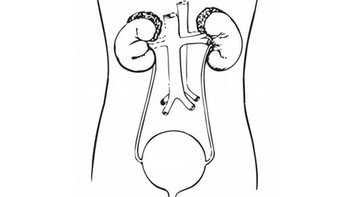
Durable responses in patients with low-grade upper tract urothelial carcinoma were seen with the mitomycin- containing reverse thermal gel UGN-101.

Overall survival in patients with metastatic castration-resistant prostate cancer who are receiving lutetium 177 may be impacted by Cancer and Leukemia Group B prognostic risk group and the receipt of subsequent FDA-approved life-prolonging therapies.

Data from an exploratory analysis of the phase 3 IMpower010 trial show the disease-free survival benefit of adjuvant atezolizumab in the treatment of early-stage non–small cell lung cancer.
Encouraging findings from an ongoing phase 1 trial evaluating an off-the-shelf, allogeneic CD30-CAR Epstein Barr virus–specific T-cell therapy, evaluated in patients with lymphoma.

Adding paclitaxel to the combination of trastuzumab and pertuzumab was associated with pathologic complete response and invasive disease-free survival in patients with HER2-positive breast cancer compared with the doublet alone.

Results from an observational, multicenter study that evaluated osimertinib reveal encouraging real-world efficacy and acceptable safety in patients with EGFR-positive, advanced non–small cell lung cancer.

The hepcidin mimetic rusfertide is suggested to reduce the need for phlebotomy in patients with polycythemia vera, according to the results of the phase 2 PTG-300-04 trial presented during the European Hematology Association 2021 Virtual Congress.

In the phase 2 PANAMA trial, adding panitumumab to 5-fluorouracil and leucovorin showed significant improvement in progression-free survival as a maintenance treatment over 5-FU/leucovorin alone in patients with RAS wild-type metastatic colorectal cancer.
Lisaftoclax, a novel BCL-2 inhibitor, has demonstrated encouraging responses with acceptable safety in patients with chronic lymphocytic leukemia and small lymphocytic lymphoma, and other hematologic cancers who were treated in first-in-human phase 1 trial.
Benefit was maintained in progression-free survival, overall survival, and objective response rate with the antibody-drug conjugate sacituzumab govitecan over physician’s choice of therapy, regardless of the chemotherapy agent used.
Results from phase 1 data looking at CART-ddBCMA show a 100% objective response rate among patients with relapsed/refractory multiple myeloma.

Overall survival in postmenopausal patients with hormone receptor–positive, HER2-negative advanced breast cancer at almost 5 years of follow-up continued to improve with Ribociclib plus fulvestrant over fulvestrant alone, irrespective of whether patients received the regimen in the first- or second-line setting.
treatment with patritumab deruxtecan induced clinically meaningful, durable efficacy in heavily pretreated patients with EGFR-mutated non–small cell lung cancer who were resistant to EGFR tyrosine kinase inhibitors.
Compared to chemotherapy alone, the addition of the immunotherapy agent toripalimab to gemcitabine plus cisplatin significantly improved progression-free survival in the frontline treatment of patients with recurrent or metastatic nasopharyngeal carcinoma.

The latest updates on gastric and esophageal cancers focus on greater use of biomarkers, next-generation sequencing (NGS), and immunotherapies.

In NRG1 fusion–positive cell lines, zenocutuzumab demonstrated blockage of growth and cell death, as well as tumor shrinkage and durable tumor regression in multiple cancers when used in NRG1 fusion–positive patient-derived xenografts.