

LYMPHOMAS
Latest News
Advertisement
Video Series

Latest Videos
Shorts
0:40
Closing the Access Gap: The Vital Role of the "Enthusiastic Recommendation"
7 months ago
by
Marc S. Hoffmann, MD
0:32
The Search for a Functional Cure: Treating IGHV-Mutated CLL
7 months ago
by
Marc S. Hoffmann, MD
0:36
Continuous vs Time-Limited: Navigating the Major Shift in CLL Care
7 months ago
by
Marc S. Hoffmann, MD
0:35
The CAR T Gap: Why Effectiveness Isn't the Problem
7 months ago
by
Marc S. Hoffmann, MD
0:29
Blood Cancer Awareness Month: Unmet Needs in Lymphoma
a year ago
by
Andrew Jallouk, MD, PhD
CME Content





























Advertisement
More News
Explore how BTK resistance drives poor outcomes in relapsed mantle cell lymphoma and why ZUMA-2 CAR T therapy emerges as a game-changing option.

Off-the-shelf CD19 CAR T boosts MRD clearance in first-line LBCL consolidation, with no CRS/ICANS and strong outpatient community feasibility.
FDA fully approves brexu-cel CAR‑T for relapsed mantle cell lymphoma, with ZUMA‑2 showing deep responses and key infection-care tips for clinicians.

During a live event, Paolo Strati, MD and participants explored anti‑CD19 CAR T options for relapsed LBCL—including eligibility and eased REMS rules.
Statin use alongside CD19 CAR T shows longer survival and less neurotoxicity in relapsed large B-cell lymphoma, prompting calls for trials.
FDA confirms brexu-cel CAR-T for relapsed mantle cell lymphoma, citing 91% response in BTK-naive patients and updated safety guidance.
New analysis of 2304 patients shows CD19 CAR T-cell therapy efficacy is consistent across races, with outcomes driven by tumor burden and ECOG status.
Second-line axi-cel CAR T boosts quality of life in relapsed large B-cell lymphoma, with early dip then lasting recovery for older patients.
Venetoclax plus ibrutinib shows deep, durable responses in marginal zone lymphoma, with promising 5-year PFS and manageable safety in phase 2 AIM study.
Epigenetic drugs boost CD20/CD19 and T-cell activity, making bispecific antibodies hit lymphoma harder—now moving into clinical trials.
FDA approves nivolumab with AVD for Hodgkin lymphoma, showing superior survival rates and reduced toxicity compared to existing treatments.
Phase 2 data show one-time liso-cel CAR T delivers 95% responses in hard-to-treat marginal zone lymphoma, with low severe CRS and neurotoxicity.

Denileukin diftitox brings a new systemic option for relapsed CTCL, killing tumor cells and Tregs to boost immunity and expand EU access.

Interim phase 1b results show off-the-shelf CD19 CAR T azer-cel drives high response rates in hard-to-treat CLL/SLL and MZL.
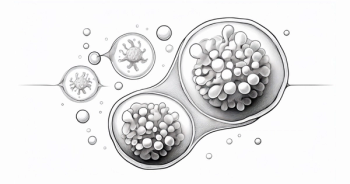
Hi-C on routine FFPE biopsies uncovers hidden lymphoma drivers, enhancer hijacking, and PD-L1 rearrangements, guiding targeted therapy beyond FISH.
Macrophage cell therapy may skip lymphodepleting chemo, reducing toxicity and secondary cancer risk for heavily pretreated, frail patients.

RB-1355 reprograms autologous macrophages to heat up lymphoma tumors, avoid lymphodepletion, and deliver fast 1-week cellular therapy.
New Uniphar deal widens European managed-access to Lymphir for relapsed CTCL, spotlighting targeted immunotherapy and manageable early-cycle risks.
FDA accepts tirabrutinib for accelerated review in relapsed/refractory CNS lymphoma, spotlighting strong phase 2 responses and a needed U.S. option.
Why most eligible lymphoma patients miss CAR T: experts urge stronger academic-community handoffs, clearer protocols, and smarter caregiver support.
How to manage Richter transformation: rapid biopsy, targeted combos, and early referral for CAR T or transplant, thus closing the access gap.

Phase 1 data show EB103 delivers 100% complete responses at high dose with manageable toxicity, offering a safer, durable option for high-risk B-cell NHL.
FDA lifts Yescarta limits for relapsed primary CNS lymphoma, expanding CAR T access with phase 1 safety data—what to know about neuro risks.
Advertisement
Advertisement
Trending on Targeted Oncology - Immunotherapy, Biomarkers, and Cancer Pathways
1
NCCN Survey Finds Persistent Cancer Drug Shortages Across US Centers
2
Risk-Adapted Quadruplet Therapy Sustains 5-Year Survival Benefit in High-Risk Myeloma
3
FDA Grants Final Approval to Cabozantinib Capsule Formulation
4
Subcostal Robotic Surgery Cuts Thoracic Pain
5