



LYMPHOMAS
Latest News

Advertisement
Latest Videos



CME Content

































Advertisement
More News

The FDA has approved the CAR T-cell therapy liso-cel for the treatment of patients with mantle cell lymphoma.

A study found that a novel ointment improved symptoms in patients with cutaneous T-cell lymphoma. The treatment was well-tolerated with minimal adverse effects.

With the FDA clearance of an investigational new drug application for SynKIR-310, a phase 1 trial evaluating the agent in relapsed/refractory B-cell non-Hodgkin lymphomas will begin.

During a Case-Based Roundtable® event, Matthew Ulrickson, MD, discussed experiences with loncastuximab and other targeted treatments in patients with diffuse large B-cell lymphoma with event participants in the first article of a 2-part series.

Matthew Lunning, DO, FACP, discusses the use of CAR T-cell therapy lisocabtagene maraleucel in the second-line setting for patients with B-cell lymphoma.
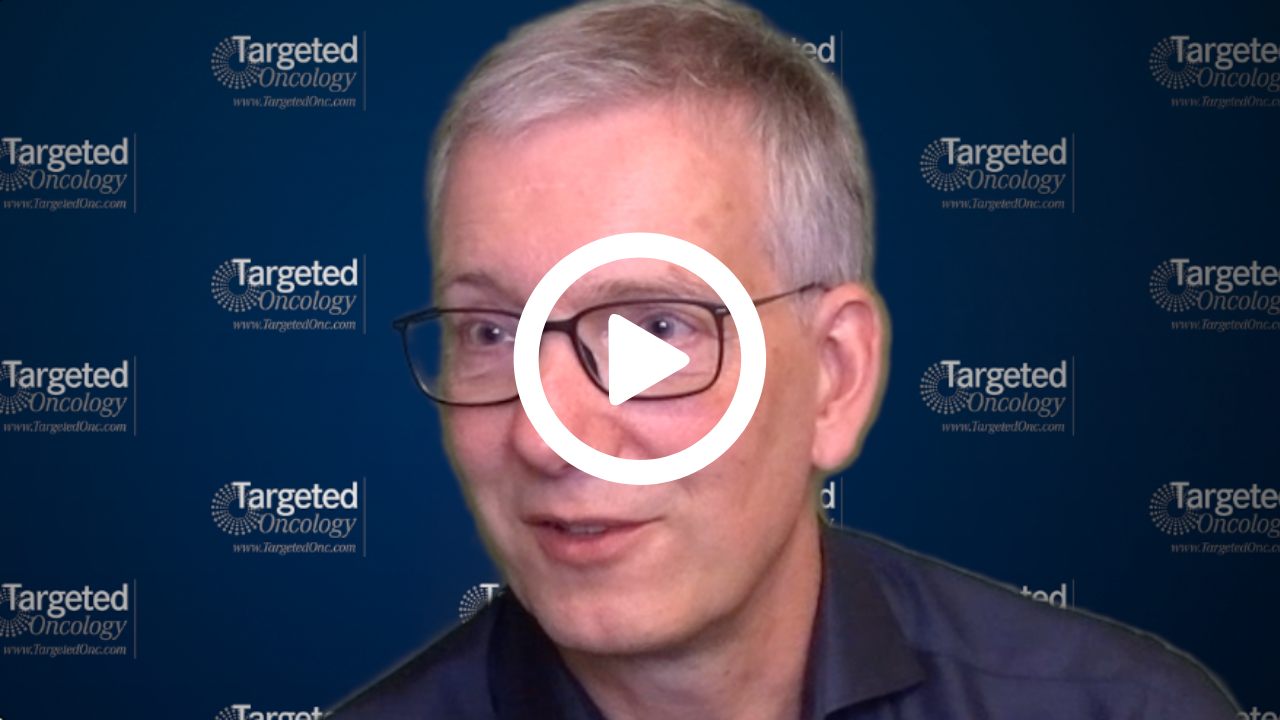
John M. Burke, MD, discusses results from a phase 2 study which evaluated brentuximab vedotin, nivolumab, doxorubicin, and dacarbazine for the treatment of early-stage and advanced classical Hodgkin lymphoma.

Combination therapy with nanatinostat and valganciclovir led to promising response rates among patients with Epstein-Barr Virus-positive peripheral T-cell lymphoma.
The phase 3 STARGLO trial met its primary end point, improving overall survival in patients with relapsed/refractory diffuse large B-cell lymphoma with glofitamab and chemotherapy vs rituximab and chemotherapy.
An investigational new drug application for SynKIR-310's phase 1 trial targeting relapsed/refractory B-cell non-Hodgkin lymphomas was submitted to the FDA.
During a Case-Based Roundtable® event, Emily Ayers, MD, discussed the long-term results with loncastuximab in patients with diffuse large B-cell lymphoma and how this drug fared in the real-world setting in the second article of a 2-part series.
The first arm of the phase 2 PROSPECT study evaluating tirabrutinib for the treatment of relapsed/refractory primary central nervous system lymphoma has finished enrolling patients.
The FDA issued a pair of complete response letters for the biologics license application for odronextamab in relapsed/refractory follicular lymphoma and diffuse large B-cell lymphoma.
During a Case-Based Roundtable® event, Emily Ayers, MD, discussed the current landscape for the treatment of patients with diffuse large B-cell lymphoma, the need for better risk stratification data, and what led to the approval of loncastuximab tesirine in the first article of a 2-part series.
If approved, denileukin diftitox could offer a valuable addition to the treatment landscape of relapsed/refractory cutaneous T-cell lymphoma.
Following changes to the manufacturing process, the phase 1 study of NX-2127 in B-cell malignancies has been cleared to continue by the FDA.
Jeremy Ramdial, MD, discussed a phase 1/2 study investigating the GemCloBu conditioning regimen for stem cell transplants in aggressive lymphomas.
The combination of zanubrutinib and obinutuzumab is now an approved treatment option for adult patients with relapsed/refractory follicular lymphoma after at least 2 prior lines of therapy.
In an interview with Targeted Oncology, Matthew Matasar, MD, discussed the advantages and current applications of bispecific antibodies for the treatment of B-cell lymphomas.
The natural killer cell therapy IDP-023 is being studied in a phase 1 trial for the treatment of patients with non-Hodgkin lymphoma and multiple myeloma.

Acalabrutinib added to axicabtagene ciloleucel treatment was well-tolerated in patients with relapsed/refractory B-cell lymphoma.
Matthew Matasar, MD, highlights the use of mosunetuzumab-axgb for the treatment of patients with follicular lymphoma.

In the second part of a 2-article series, Matthew A. Lunning, DO, FACP, leads a discussion on how to best manage toxicities from tafasitamab and lenalidomide for patients with relapsed/refractory diffuse large B-cell lymphoma.
The biologics license application for denileukin diftitox has been resubmitted to the FDA for the treatment of cutaneous T-cell lymphoma after at least 1 prior systemic therapy.
There are currently no FDA-approved agents for relapsed peripheral T-cell lymphoma, and soquelitinib has the potential to fill an unmet need.

In the second part of a 2-article series, Matthew Matasar, MD, MS, discusses long-term follow up data from the LOTIS-2 trial and how these data show the durability and tolerability of loncastuximab for patients with relapsed/refractory diffuse large B-cell lymphoma.
Advertisement
Advertisement
Trending on Targeted Oncology - Immunotherapy, Biomarkers, and Cancer Pathways
1
NCCN Survey Finds Persistent Cancer Drug Shortages Across US Centers
2
Risk-Adapted Quadruplet Therapy Sustains 5-Year Survival Benefit in High-Risk Myeloma
3
FDA Grants Final Approval to Cabozantinib Capsule Formulation
4
Subcostal Robotic Surgery Cuts Thoracic Pain
5