
Dose reductions of liposomal irinotecan and oxaliplatin did not compromise overall survival in patients with metastatic PDAC on NALIRIFOX.

Dose reductions of liposomal irinotecan and oxaliplatin did not compromise overall survival in patients with metastatic PDAC on NALIRIFOX.
NALRIFOX showed numerically better overall survival vs FOLFIRINOX as frontline treatment in PDAC, per real-world analysis results.

Bezuclastinib plus sunitinib showed favorable safety and efficacy in GIST, outperforming sunitinib alone in phase 3 Peak study results.
Certepetide plus chemotherapy showed signs of efficacy but failed to improve progression-free survival in metastatic PDAC in the ASCEND trial.
Adding CRT to chemotherapy did not improve RFS in resected gallbladder cancer in the phase 3 ACCELERATE trial.
The combination of pelareorep and modified FOLFIRINOX with or without atezolizumab had an acceptable safety in newly diagnosed metastatic pancreatic ductal adenocarcinoma.
Aspirin reduced recurrence risk by 50% in PIK3CA-mutated colorectal cancer, per 3-year ALASCCA trial results.
Zoldonrasib showed preliminary antitumor activity and manageable adverse events in KRAS G12D–mutated PDAC, per phase 1 trial data.
Baseline geriatric assessment vulnerabilities and quality of life scores correlate with overall survival in patients with metastatic pancreatic ductal adenocarcinoma receiving chemotherapy.
Surufatinib plus TAS-102 showed promising survival benefits with manageable toxicity in refractory metastatic PDAC patients, per phase 2 trial data.
Cabozantinib improved PFS in GI extrapancreatic NETs, except for non-midgut tumors, per CABINET trial results.
The CheckMate 9DW study demonstrated the efficacy and manageable safety of first-line nivolumab plus ipilimumab in patients with unresectable hepatocellular carcinoma.
TACE with camrelizumab and rivoceranib significantly improves PFS in unresectable HCC, per phase 2 CARES-005 study results.
Sintilimab plus neoadjuvant CRT improved pathological complete response rates in resectable, locally advanced ESCC, per phase 3 SCIENCE trial.
Patients with appendiceal adenocarcinoma face increased risk of secondary cancers, including colorectal, within 10 years, per 2025 ASCO GI findings.
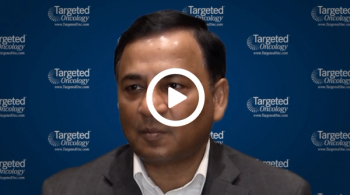
Ajay Goel, PhD, AGAF, discusses how the development and validation of novel non-invasive biomarkers can improve early detection and ultimately impact patient outcomes for patients.
Tislelizumab combined with irinotecan, paclitaxel, oxaliplatin, and 5-FU/leucovorin proved effective with manageable safety as frontline therapy for advanced HER2-negative, mismatch repair–proficient gastric and GEJ adenocarcinoma in the SYLT-023 trial.
Trastuzumab with chemotherapy showed numerical improvements in overall survival and progression-free survival in HER2-positive gastric and gastroesophageal junction cancers.
SHR-1701, a PD-L1 and TGF-ß targeting agent, reduced chemotherapy-induced myelosuppression in patients with HER2-negative gastric/GEJ adenocarcinoma.
Evorpacept plus trastuzumab, paclitaxel, and ramucirumab showed improved survival and response rates over TRP alone in HER2-positive gastric/GEJ cancer.
The phase 3 CheckMate 649 trial showed that nivolumab plus chemotherapy significantly improved long-term overall survival in Chinese patients with advanced gastric, gastroesophageal junction, and esophageal adenocarcinoma.
5-year follow-up results from the phase 3 CheckMate 649 trial showed sustained efficacy with frontline nivolumab plus chemotherapy vs chemotherapy alone in patients with gastric cancers.
In patients with advanced ESCC treated with first-line tislelizumab plus chemotherapy, deeper responses and longer time to maximum response were linked to improved overall survival.
The combination of everolimus plus lanreotide showed an improvement in progression-free survival and an acceptable safety profile vs everolimus monotherapy in gastroenteropancreatic neuroendocrine tumors.

Identifying differences in pancreatic cancer subtypes could be at the center of developing targeted treatments in this challenging disease.
In an interview with Targeted Oncology, Sanjay Goel, MD, MS, discussed the mystery of cachexia in pancreatic cancer and why it remains a challenging symptom to target.
Circulating tumor DNA failed to indicate if patients with low-risk stage II colon cancer would benefit from adjuvant chemotherapy after surgery.
Using ctDNA to detect minimal residual disease in patients with stage II/III colorectal cancer appeared to show strong prognosis of disease recurrence and benefit to adjuvant chemotherapy.
The neoadjuvant administration of botensilimab/balstilimab resulted in strong responses in individuals with both resectable mismatch repair–proficient and –deficient colorectal cancer.
In the DeFianCe trial, the combination of DKN-01 with bevacizumab and chemotherapy is being investigated to assess the potential clinical benefits for patients diagnosed with microsatellite stable colorectal adenocarcinoma.