
Vorasidenib significantly reduces tumor growth rates in grade 2 glioma patients, improving progression-free survival and time to next intervention.

Vorasidenib significantly reduces tumor growth rates in grade 2 glioma patients, improving progression-free survival and time to next intervention.

Arati Desai, MD, explains how the results from the phase III STELLAR trial will enhance knowledge of anaplastic astrocytoma.

The CDK4/6 inhibitor palbociclib (Ibrance) demonstrated it was active and well-tolerated in a phase II interim analysis of patients with brain metastases harboring alterations in the CDK pathway, according to a presentation at the 24th Annual Meeting and Education Day of the Society of NeuroOncology.
A large proportion of children diagnosed with neurofibromatosis type 1-related plexiform neurofibromas have no appropriate treatment available to them and represent a significant unmet medical need. To determine demographics, clinical characteristics, and treatments, a cross-sectional analysis of existing data from the Children’s Tumor Foundation registry was undertaken by Jinghua He, PhD, MPH, and colleagues.

Mustafa Khasraw, MD, discusses the purpose II VERTU study and shares key takeaways from his presentation at the 2019 Society for NeuroOncology Annual Meeting.
At the 24th Annual Meeting and Education Day of the Society of NeuroOncology, Victor Levin, MD, spoke with Targeted Oncology about the STELLAR trial.

An interim analysis of the phase II study of palbociclib for the treatment of patients with brain metastases harboring CDK alterations was presented at the 2019 Society for NeuroOncology Annual Meeting by Priscilla K. Brastianos, MD, director of the central nervous system brain metastasis program, Massachusetts General Hospital.<br />
Patients with both high-grade and low-grade glioma harboring the <em>BRAF</em> V600E mutation demonstrated positive benefit in response, duration of response, and progression-free survival when given the combination of dabrafenib and trametinib in a phase IIa study.
Adding the PARP inhibitor veliparib to standard therapy for newly diagnosed patients with unmethylated MGMT glioblastoma multiforme was well-tolerated in a phase II trial, according to findings presented at the 24th Annual Meeting and Education Day of the Society of NeuroOncology.
A drug with a greater than 30-year history that was originally investigated as a treatment for trypanosomiasis has garnered interest from investigators seeking a treatment for the rare brain cancer anaplastic astrocytoma.<br />
The PD-1 inhibitor nivolumab was successfully combined with radiotherapy alone or concurrently with temozolomide for patients with newly-diagnosed glioblastoma multiforme in cohorts 1c and 1d from the phase I CheckMate-143 study.
The IDH1 inhibitor AG-120 showed promising stable disease rates along with a few minor responses for patients with non-enhancing <em>IDH1</em>-mutated glioma across a variety of doses.
Results from the EF-14 trial which compared standard of care for glioblastoma plus or minus the tumor treating fields.
Treatment with the combination of Optune and temozolomide improved overall survival by 4.8 months compared with temozolomide alone in patients with newly diagnosed glioblastoma multiforme.

Treatment with the PD-1 inhibitor elicited a durable clinical benefit rate of 28% along with a manageable safety profile for patients with recurrent glioblastoma multiforme that expressed PD-L1 on ≥1% of cells.
Treatment with the novel regimen of Toca 511 and Toca FC demonstrated a median overall survival of 13.6 months for patients with high-grade gliomas, representing a marked improvement over historical median survivals of 7.2 to 9.2 months.<br />
An early study has demonstrated signs of clinical efficacy for the combination of the anti-inflammatory agent ibudilast and temozolomide in patient-derived cell lines for glioblastoma multiforme.<br />
Martin van den Bent, MD, Erasmus MC Cancer Center, discusses the results from the ABT-414 trial for patients with brain cancer.

Nicholas Butowski, MD, discusses a phase I study of convection-enhanced delivery of nanoliposomal irinotecan (MM-398) for the treatment of recurrent glioblastoma or recurrent high-grade glioma.
Jeffrey J. Raizer, MD, provides an overview of a study that analyzed the overall survival and toxicity profile of proton therapy for large-volume re-irradiation for patients with recurrent glioma.
Roeland GW Verhaak, PhD, assistant professor, Department of Bioinformatics and Computational Biology, Division of Quantitative Sciences, The University of Texas MD Anderson Cancer Center, discusses a study that examined the alteration of the p53 pathway and ancestral progenitors to determine if they were associated with tumor recurrence in glioblastoma.
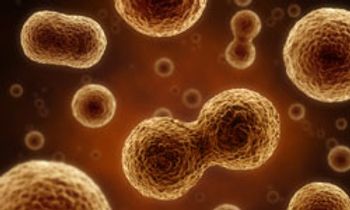
A plenary session held November 15 at the Society of Neuro-Oncology’s (SNO) 2014 Annual Meeting in Miami Beach focused on immunotherapy’s promise as well as its challenges as a treatment for patients with brain cancer.

According to data from a phase I study, the oncolytic virus Delta-24-RGD can infect, replicate, and kill glioma cells in patients.
Steven A. Toms, MD, director, neurosurgery, Geisinger Health System, discusses the combination of the Novo Tumor Treating Fields (NovoTTF) system and temozolomide for patients with glioblastoma.
David Reardon, MD, clinical director, Center for Neuro-Oncology, Dana-Farber Cancer Institute, president, Society for Neuro-Oncology, describes the mechanism of action of rindopepimut for recurrent glioblastoma.

Adjuvant temozolomide and the use of the Novo Tumor Treating Fields (NovoTTF) system led to longer progression-free survival and overall survival in patients with glioblastoma.
The vaccine rindopepimut appears to benefit patients with epidermal growth factor receptor variant III mutation (EGFRvIII) in glioblastoma with regard to progression-free survival (PFS) and overall survival (OS).

Ceritinib (Zykadia) showed clinically significant antitumor activity in patients with ALK-rearranged non-small cell lung cancer (NSCLC), including those with brain metastases.

The vaccine rindopepimut (CDX110) in combination with bevacizumab induced tumor regression in a subset of patients with recurrent glioblastoma.