
A multicenter retrospective analysis presented at the 2017 ESMO Congress found that a newly defined subset of patients treated with anti-PD-1/PD-L1 immunotherapy experienced accelerated tumor growth indicative of hyperprogressive disease (HPD).

A multicenter retrospective analysis presented at the 2017 ESMO Congress found that a newly defined subset of patients treated with anti-PD-1/PD-L1 immunotherapy experienced accelerated tumor growth indicative of hyperprogressive disease (HPD).

Frontline treatment with the combination of dabrafenib and trametinib induced an objective response rate of 64% (95% CI, 46%-79%) and a disease control rate of 75% in patients with <em>BRAF</em>-mutant metastatic non–small cell lung cancer.
Vx-001, a cancer vaccine that employs a new strategy targeting a universal tumor antigen, significantly improved overall survival in patients with advanced or metastatic non–small cell lung cancer who developed an immune response to the vaccine, according to findings presented at the 2017 ESMO Annual Congress in Madrid, Spain.
Nearly half of patients with resectable stage IIIB/C BRAF V600-mutant melanoma achieved pathologic complete response with neoadjuvant treatment with dabrafenib and trametinib, according to results of a phase II study presented at the 2017 ESMO Congress in Madrid.
Arti Hurria, MD, director, Cancer and Aging Research Program, City of Hope, discusses challenges facing geriatric patients with breast cancer.

HER2-positive breast cancer has gone from "worst to first" because of the success of the monoclonal antibody drug trastuzumab in combination with chemotherapy.
The randomized phase IIb METRIC trial could possibly pave the way for the first FDA approval for a targeted therapy for patients with triple-negative breast cancer. <br />
Younger women with breast cancer, which make up of around 20% of patients, present with unique disease characteristics that warrant careful consideration of potentials treatments, particularly given the potential for long-term side effects.

Hyman B. Muss, MD, UNC Lineberger Comprehensive Cancer Center, UNC School of Medicine, discusses adjuvant therapy for elderly patients with HER2-positive or triple negative breast cancer (TNBC).
Breast cancer in younger women needs a different adjuvant treatment strategy from that used in post-menopausal women, but it may not have to include suppressing ovarian function.
Harry Erba, MD, PhD, professor of medicine, director, University of Alabama (UAB) Hematologic Malignancy Program, UAB School of Medicine, discusses using MRD to guide therapy in acute myeloid leukemia (AML).
As the breast cancer genome continues to be unraveled, a host of new targetable alterations outside of HER2 and the estrogen receptor are beginning to emerge, providing the exciting potential for development of new therapies.
Figuring out how a certain genetic result found through multigene testing might change not only the type of intervention but its timing is the chief challenge, according to Mark Robson, MD, in a presentation at the 2017 Lynn Sage Breast Cancer Symposium.

Advancements made in the field of molecular genetics for patients with myeloproliferative neoplasms may be increasingly incorporated into treatment decisions, according to a presentation by Ann Mullally, MD, during the 2017 SOHO Annual Meeting.
Initial results from a phase III trial indicated that patients with newly diagnosed chronic myeloid leukemia treated with bosutinib (Bosulif) achieved response faster than patients treated with imatinib (Gleevec).

Judith Paice, PhD, RN, Robert H. Lurie Comprehensive Cancer Center, discusses the current pain management for patients with breast cancer.
The treatment of myelofibrosis has changed significantly in the past few years, largely due to the approval of ruxolitinib (Jakafi). Although it provides durable improvements, the JAK inhibitor may be even more effective in combination—as inhibition of JAK-STAT signaling has not shown to be curative.
Efforts to improve outcomes in pediatric acute lymphoblastic leukemia should follow leads provided by next-generation sequencing and appropriate use of minimal residual disease criteria, a pediatric hematologist said at the 2017 Society of Hematology Oncology Annual Meeting in Houston.
Andrew Seidman, MD, discusses the Watson for Oncology application and the potential for Watson to be a valuable partner for oncologists during the 19<sup>th</sup> Annual Lynn Sage Breast Cancer Symposium.

Breast cancer is the most common cancer among women around the world, and those in low- and middle-income countries experience the most deaths from the disease, representing a major need for improvement with significant challenges.

Benjamin O. Anderson, MD, Seattle Cancer Care Alliance, discusses the current global unmet need for the treatment of patients with breast cancer.
Judith A. Paice, PhD, RN, discusses the best way to approach pain management in breast cancer.

Robert Orlowski, MD, PhD, Florence Maude Thomas Cancer Research professor and chair, ad interim, Department of Lymphoma & Myeloma at The University of Texas MD Anderson Cancer Center, discusses remaining questions with multiple myeloma treatment.
Updated findings from the registration trial of the first FDA-approved CAR T-cell therapy showed that 83% of patients with acute lymphoblastic lymphoma achieved complete remission with complete or incomplete hematologic recovery, as reported at the 2017 Society of Hematologic Oncology Annual Meeting.<br />
Guillermo Garcia-Manero, MD, discusses the potential impact of harnessing immunotherapeutics in MDS.
After a median follow-up of 2.8 years, the 3-year relapse-free survival rate in patients with <em>BRAF</em>-mutant stage III melanoma who were treated with adjuvant dabrafenib and trametinib was 58% compared with 39% for placebo, according to findings from the phase III COMBI-AD study.
There was no overall survival improvement seen by expanding surveillance from chest x-ray to follow-up with PET-CT scan after surgery for patients with early-stage non–small cell lung cancer, according to data reported during the 2017 ESMO Congress.
According to findings presented at the 2017 ESMO Congress, nab-paclitaxel monotherapy demonstrated efficacy in patients with pretreated advanced nonsquamous non–small cell lung cancer that is not improved by the addition of CC-486.
In patients with previously treated advanced non-small cell lung cancer, <sup> </sup>superior progression-free survival was induced with continuous treatment with nivolumab until disease progression compared with a 1-year fixed duration treatment.
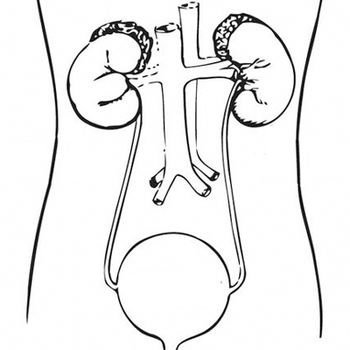
Median overall survival findings from treatment with pembrolizumab (Keytruda) were significantly longer compared with chemotherapy in patients with recurrent, advanced urothelial carcinoma, according to mature results from the phase III KEYNOTE-045 study.