Heather Wakelee, MD, associate professor of medicine, oncology division, Stanford University, discusses the rationale for immunotherapy in non-small cell lung cancer (NSCLC).

Heather Wakelee, MD, associate professor of medicine, oncology division, Stanford University, discusses the rationale for immunotherapy in non-small cell lung cancer (NSCLC).
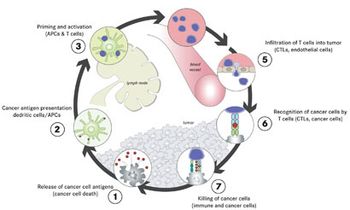
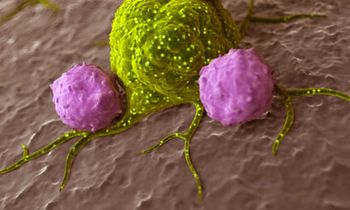
Cancer proliferates when a rogue, transformed cell wins a sophisticated hide-and-seek game against the immune system. Immunotherapy activates the patient’s immune system to recognize and fight the tumor cells.

Immunotherapy is a rapidly expanding approach to the treatment of melanoma, employing a number of strategies evident in the pipeline for immunotherapeutics.
Melanoma is the most deadly skin cancer. According to data collected between 2004 and 2010, only 16% of Americans with metastatic melanoma, including people of all ages and races, and both genders, survive for 5 years or more after diagnosis.
Following recent approvals by the US Food and Drug Administration (FDA) of pembrolizumab and nivolumab, numerous programs to develop and expand use of immunotherapies have ensued.
Jason J. Luke, MD, assistant professor of medicine, The University of Chicago, discusses PD-1 inhibitors for the treatment of patients with melanoma.

Mark A. Rubin, MD, director, Institute for Precision Medicine, Weill Cornell Medical College, discusses immunotherapy in the field of genitourinary cancers.

Targeted Oncology had the honor of discussing with Michael A. Postow, MD, the management of immune-related adverse events (IRAEs).