Knowing whether repurposing old drugs helps patients with cancer is important, but it will take a concerted investment by public entities such as the National Institutes of Health to make this happen.

Knowing whether repurposing old drugs helps patients with cancer is important, but it will take a concerted investment by public entities such as the National Institutes of Health to make this happen.

Potential practice-changing therapies in gynecologic cancer include the emergence of carboplatin, paclitaxel, and PD-1 blockade, or the use of fam-trastuzumab deruxtecan-nxki in endometrial cancer.
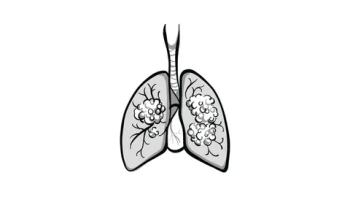
Recent regulatory activities suggest that the understanding of TROP2-directed therapies remains muddled.
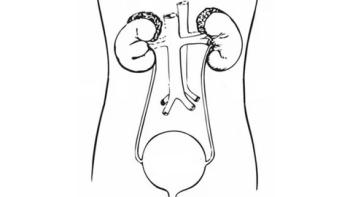
The past 12 months have seen the FDA approvals of enfortumab vedotin plus pembrolizumab for patients with locally advanced or metastatic urothelial cancer and nivolumab plus cisplatin and gemcitabine for patients with unresectable or metastatic urothelial carcinoma.

2024 saw the establishment of docetaxel, oxaliplatin, leucovorin, and 5-fluorouracil as the preferred regimen for patients with localized adenocarcinoma.
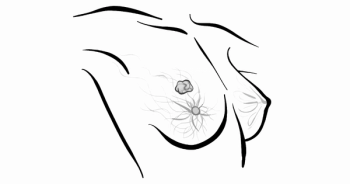
Neoadjuvant chemotherapy's effect on local disease management of breast cancer has a number of clinical implications, including tumor downsizing, potentially improved overall survival, and more.

The advent of cellular therapies, such as chimeric antigen receptor T-cell therapy, has revolutionized the field of hematologic malignancies.