

ONCOLOGY POLICY
Latest News
Advertisement
Latest Videos
Shorts
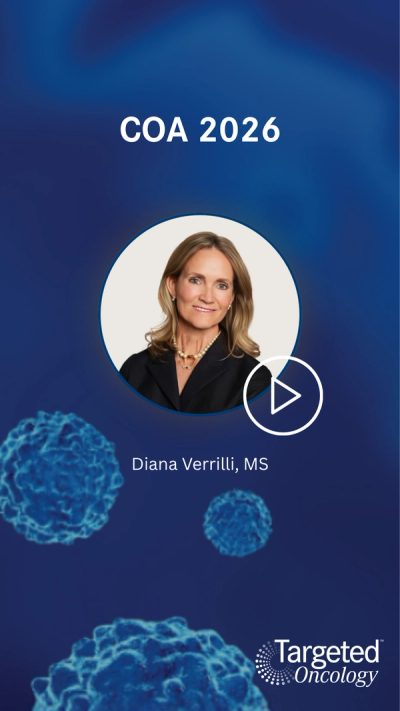
0:37
National Study Affirms Value of Community Oncology
5 months ago
by
Diana Verrilli, MS
Podcasts





































Advertisement
More News
The FDA's Expedited Investigational New Drug (IND) Pilot Program pairs trial sponsors and research institutions to promote phase 1 trials in the US.
A new NCCN survey found all responding cancer centers report at least one anti-cancer drug shortage, with 94% short on ifosfamide and 71% on carboplatin.
NHIS analysis reveals major screening gaps for disabled adults—especially self-care limits—while at-home stool tests boost colorectal screening access.
U.S. alcohol-linked cancer deaths double since 1990, led by surging liver cancer; men, older adults hit hardest, with wide state-by-state gaps.
CMS eyes new 340B drug payment rule: cuts beneficiary costs, shifts billions to outpatient services, and boosts reimbursements for many rural hospitals.

Chronic stress biomarker allostatic load links to higher under-50 cancer risk, offering a simple lab-based tool to improve prevention and screening.
Rising out-of-pocket costs push more adults to skip needed care, regardless of cancer history—highlighting financial toxicity and the need for smarter risk screening.
CMS proposes deeper 340B drug payment cuts for hospitals, reshaping outpatient cancer economics, consolidation incentives, and patient cost-sharing.
Rural patients with cancer face crushing costs, travel hurdles, and medical debt; new ACS CAN data show care delays and highlights patient navigation as relief.
NIH funding disruptions threaten cancer trial pipelines, stalling early detection and new therapies—what oncologists and patients face next.

Real-world data show community oncology care links to longer survival in metastatic breast cancer and NSCLC, beating national benchmarks.
New data show precision cancer testing still lags for Black, Hispanic, low-income, and Medicare/Medicaid patients, delaying targeted treatment decisions.
Young US cancer survivors face outsized food, housing and transport insecurity; Medicaid expansion and targeted SDOH screening may improve survivorship.
Report finds hospitals price the same cancer drugs up to 2000x apart, worsening financial toxicity and intensifying demands for real transparency.

Cancer breakthroughs surge, but trials and novel therapies stay out of reach for many. See how community care, policy, and design can close gaps.

Study finds income and other financial factors outweigh race in determining cancer trial enrollment, highlighting reforms and simpler trial designs to expand access.
Explore how community oncology reduces financial toxicity in cancer care, highlighting cost savings and quality benefits over hospital-based systems.
Advertisement
Advertisement
Trending on Targeted Oncology - Immunotherapy, Biomarkers, and Cancer Pathways
1
Aglatimagene Boosts Immune Infiltration in Localized Prostate Cancer
2
Rinatabart Sesutecan Shows Durable Responses in Platinum-Resistant Ovarian Cancer
3
Phase 3 Trial of Daraxonrasib Plus Zoldonrasib Begins in RAS G12D PDAC
4
Epcoritamab Plus R-CHOP Improves PFS in Newly Diagnosed DLBCL
5