
Although drug shortages are not new, the number of drugs involved is increasing and resolutions seem to take longer, and oncology care is often affected by these shortages.

Although drug shortages are not new, the number of drugs involved is increasing and resolutions seem to take longer, and oncology care is often affected by these shortages.
The speed at which immunotherapy is adopted by oncology practices depends on their size, location, and affiliation, according to an analysis.
Very high tumor burden is a potential biomarker that may predict response to anti–PD-L1 therapy in patients of Asian descent across cancer types.
Melissa Johnson, MD, discussed SHP2 inhibitors with Targeted Therapies in Oncology.

Druggable targets for patients with gastrointestinal cancers were discussed during the 20th Annual Meeting of the International Society of Gastrointestinal Oncology.
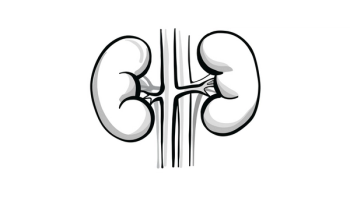
Combining sintilimab and axitinib led to tumor shrinkage and a tolerable safety profile in patients with advanced FH-deficient renal cell carcinoma.

Data from a phase 1 dose escalation study showed tolerability and antitumor activity with IBI351 in patients with advanced non–small cell lung cancer harboring a KRAS G12C mutation.
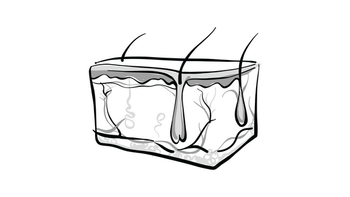
mRNA-4157/V940 in combination with pembrolizumab improved recurrence-free survival in patients with high-risk melanoma.
Pemigatinib showed antitumor activity in patients with cholangiocarcinoma, central nervous system tumors, gynecologic tumors, and pancreatic cancer.

REGN5459 led to positive responses among patients with multiple myeloma, according to findings from a first-in-human phase 1/2 trial.
The completion of the Human Genome project has ushered in a new era in our understanding of cancer.
John M. Burke, MD, turns to ChatGPT to uncover what artificial intelligence may do for hematologists/oncologists.

Though scientific advances have been encouraging in the thyroid cancer space, there is much more work to be done to figure out exactly how to tailor the right therapy, or combination of therapies, for individual patients.