During a live event, Rushang Patel, MD, PhD, and participants discussed referral timing, bridging, and payer barriers that shape access to cellular therapy in early relapsed multiple myeloma.

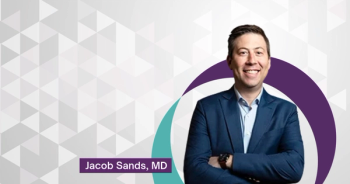
Matthew J. Frigault, MD, MS, discusses how the novel myeloma CAR T-cell therapy anitocabtagene autoleucel could reduce the need for extended surveillance for delayed toxicities.
The safety profile of anitocabtagene autoleucel (anito-cel) could influence treatment decisions, widen patient access, and reduce the need for extended monitoring after B-cell maturation antigen (BCMA)–directed chimeric antigen receptor (CAR) T-cell therapy in multiple myeloma, according to Matthew J. Frigault, MD, MS. The novel CAR T
Frigault said a highly effective CAR T-cell therapy should not simply exchange one serious problem for another. Improving disease-related survival outcomes counts for little if the patient is left with a functional deficit, parkinsonism, or intractable enterocolitis and diarrhea. In his view, the goal of therapy should be to genuinely improve patients’ lives, not only to control the disease. Anito-cel has demonstrated a lack of delayed neurotoxicity and immune effector cell–associated enterocolitis, long-term toxicities that can be difficult to monitor and manage effectively.
With ciltacabtagene autoleucel (cilta-cel; Carvykti, his team currently advises monitoring for several months after infusion. Clinicians watch for personality changes, neurotoxicities other than immune effector cell–associated neurotoxicity syndrome (ICANS), and enterocolitis. That counseling covers patients and also treating physicians. Even physicians who did not administer the CAR T-cell therapy must monitor patients closely, step in when these events occur, and work with the treating center.
Frigault said a product that does not require this extended surveillance would change the experience after recovery. Once a patient has fully recovered, clinicians could give them more freedom without continued worry about a late adverse event emerging.
He concluded that safety is likely to become a key driver of decision-making with BCMA CAR T-cell therapy. He expects it to expand the pool of eligible patients and reduce the burden of long-term follow-up.