
Commentary|Videos|September 9, 2026
Dr Ku on CAR T-Cell Therapy in GI Cancers
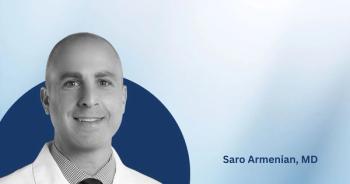
Author(s)Geoffrey Y. Ku, MD
Fact checked by: Melissa Venditti
Geoffrey Y. Ku, MD, highlights ongoing advances in gastric/GEJ treatment.
Advertisement
Geoffrey Y. Ku, MD, gastrointestinal medical oncologist and cellular therapist, MSK, discusses the significance of the CLDN18.2-directed CAR T-cell therapy satricabtagene autoleucel (satri-cel) for the treatment of patients with advanced gastric and gastroesophageal junction (GEJ) cancers.
At the 2025 ASCO Annual Meeting, investigators presented results from a phase 2 study (NCT04581473) that randomized Chinese patients with advanced gastric or GEJ cancer to receive satri-cel or physician’s choice of third-line chemotherapy.1 The trial met its primary end point by demonstrating an improvement in progression-free survival (PFS) with satri-cel.
In Ku’s assessment, however, the magnitude of benefit was relatively modest. He notes that median PFS with satri-cel was approximately 3 months, median overall survival was approximately 8 months, and the response rate was approximately 25%. While he characterizes these outcomes as modest, he points out that they were sufficient for satri-cel to outperform standard third-line chemotherapy in the randomized study. In June 2026, Chinese regulatory authorities approved satri-cel as a third-line treatment for patients with CLDN18.2-positive, HER2-negative advanced gastric or GEJ cancer.2
Ku also highlights the broader significance of the approval, which marked the first regulatory approval anywhere in the world for a CAR T-cell therapy targeting a solid tumor. At the same time, he raises the question of how satri-cel should ultimately be evaluated. Specifically, he questions whether third-line chemotherapy is the most appropriate comparator, given the emergence of CLDN18.2-directed antibody-drug conjugates (ADCs), some of which have demonstrated response rates in the 30% to 40% range.
Ku summarizes that he views satri-cel as an important but early step in the development of CAR T-cell therapy for solid tumors. Although the treatment has demonstrated safety and some antitumor activity in gastric cancer, he believes the relatively modest results underscore the need for more potent approaches.
REFERENCES
1. Qi C, Liu C, Peng Z, et al. Claudin18.2-specific CAR T cells (Satri-cel) versus treatment of physician's choice (TPC) for previously treated advanced gastric or gastroesophageal junction cancer (G/GEJC): primary results from a randomized, open-label, phase II trial (CT041-ST-01). J Clin Oncol. 2025;43(16 suppl):4003. doi:10.1200/JCO.2025.43.16_suppl.4003
2. CARsgen Announces Approval of Satri-cel, the World’s First CAR T-Cell Therapy Product for Solid Tumors. Published online Jun 22, 2026. Accessed September 4, 2026. https://tinyurl.com/38j2tu9v
Advertisement
Related Content
Advertisement

Latest CME































Advertisement
Advertisement
Trending on Targeted Oncology - Immunotherapy, Biomarkers, and Cancer Pathways
1
Dr Pant Discusses Next Steps in Daraxonrasib Development for Pancreatic Cancer
2
FDA Expands Sevabertinib Approval to Treatment-Naive HER2-Mutant NSCLC
3
Tarlatamab Plus Durvalumab Improves Survival in First-Line ES-SCLC
4
CAR T, Bispecifics, and Beyond: Dr Ku on the Evolving Paradigm in Gastric/GEJ Cancers
5