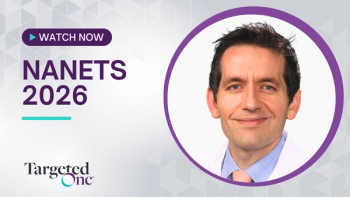
Ravi Parikh, MD, MPP, discusses the future of oncology practice, including real-world data, patient engagement, emerging technologies, and policy priorities shaping cancer care.

Ravi B. Parikh, MD, MPP, discusses how artificial intelligence could shape oncology practice, support personalized treatment decisions, and accelerate clinical research.
The integration of emerging technologies into oncology practice could reshape how clinicians make treatment decisions, conduct research, and deliver personalized care. As artificial intelligence (AI) tools continue to advance, oncologists may increasingly rely on these technologies to support clinical decision-making and explore potential treatment approaches for individual patients.
In an interview at the 44th Annual Chemotherapy Foundation Symposium (CFS), Ravi B. Parikh, MD, MPP, of Winship Cancer Institute at Emory University, discusses his vision for the future of oncology practice, including the growing role of AI in clinical care and research. He anticipates that AI will serve primarily as a clinical decision-support tool rather than replace oncologists, helping clinicians interpret medical literature, guide individualized treatment decisions, and potentially simulate outcomes associated with different therapeutic approaches.
Parikh also explores how AI could accelerate the clinical research process, from improving patient enrollment and trial efficiency to informing the design of more targeted clinical trials. Looking further ahead, he discusses the potential for AI to contribute to the development of new therapeutics, drugs, and radiation regimens tailored to specific patient populations.