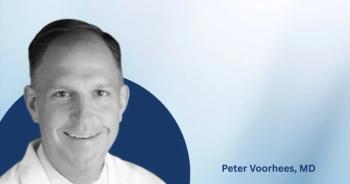
In an interview, Peter Voorhees, MD, discusses his presentation of the CERVINO trial data from the International Myeloma Society meeting.

Samantha Watters, PhD, MPH, discusses the most notable findings about the link connecting social vulnerability, physician access, and unmet need for allogeneic stem cell transplant.
Samantha Watters, PhD, MPH, principal provider education and research partner at the National Marrow Donor Program, highlights key findings from a county-level national analysis evaluating how physician density, social vulnerability, and transplant utilization interact across the United States. The investigation demonstrates that lower physician density and higher Social Vulnerability Index scores directly predict higher rates of unmet need for allogeneic stem cell transplantation. At the national level, socioeconomic status alongside housing and transportation vulnerabilities emerged as particularly strong drivers of overall transplant access barriers.
A county was designated as at-risk if it simultaneously met 3 specific thresholds: low specialist physician density, high social vulnerability, and high unmet transplant need. Aggregating these county-level determinations revealed marked geographic disparities, identifying Texas, North Carolina, Florida, Nevada, and Georgia as states with the highest concentrations of residents living in high-risk zones. These states face systemic access challenges due to large populations residing in areas with severely compromised health care infrastructure and elevated social vulnerability.
Watters says that within these specific at-risk states, physician density remained a uniquely powerful predictor of unmet transplant need, underscoring the severe impact of specialized medical shortages. Furthermore, when analyzing social vulnerability within these high-risk states, racial and ethnic disparities, alongside housing and transportation instabilities, proved to be significant factors driving unmet need. By pinpointing exact geographic and demographic vulnerabilities, these findings provide a clear framework for targeted interventions, demonstrating where resources, provider networks, and patient support systems must be deployed to close the gap in cell therapy access.
Because physician density is typically related to the rural/urban divide, this is suggestive of issues in rural access where ‘physician deserts’ make it difficult to see a specialist, and that physical barriers play a considerable role compared with financial and social factors in determining patients’ ability to get the care they need.