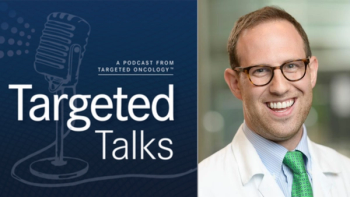
Benjamin Herzberg, MD, discusses KRAS-mutant non–small cell lung cancer, upfront biomarker testing, and the emerging RAS inhibitor toolkit on Targeted Talks.

Community oncology expands hereditary cancer genetic testing with team-based counseling, trained clinicians, and structured follow-up pathways for complex results and high-risk families.
In an interview with Targeted OncologyTM, Ranjit Goudar, MD, of Virginia Oncology Associates, discusses the operational strategies that have enabled community oncology practices to successfully integrate genetic counseling and testing while meeting the growing demand for hereditary cancer services.
Goudar explains that one of the most effective approaches has been expanding the number of providers capable of discussing hereditary cancer risk and obtaining informed consent for genetic testing. With a limited national workforce of adult-focused genetic counselors, he emphasizes the importance of training oncologists and advanced practice providers to perform initial counseling and testing, allowing genetic counselors and hereditary cancer specialists to focus on interpreting complex results and managing patients with pathogenic variants.
This team-based model has evolved alongside the rapid expansion of genetic testing. Rather than serving primarily as gatekeepers for testing, hereditary cancer experts are increasingly providing specialized consultations and long-term follow-up for patients with inherited cancer predisposition syndromes.
Goudar also describes the growing need for structured programs that extend beyond patients who test positive for germline mutations. He explains how Virginia Oncology Associates is developing pathways to follow individuals with negative genetic testing results who remain at elevated risk because of their family history, ensuring they receive appropriate surveillance and screening recommendations.