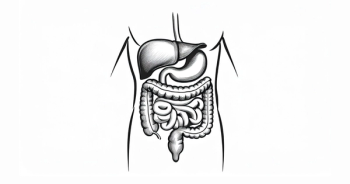
A machine learning model enhances treatment decisions for hepatocellular carcinoma, optimizing survival outcomes through personalized risk stratification.

Andrea Eleazar, MHS is an assistant editor for Targeted Oncology, covering gastrointestinal cancers, leukemias/lymphomas, and topics in public health, health policy, & oncology practice.
Andrea holds a Master of Health Science in Epidemiology from the Johns Hopkins Bloomberg School of Public Health, as well as a BS in Public Health and certificate in Writing & Publishing from Drexel University.
Contact: aeleazar@targetedonc.com
A machine learning model enhances treatment decisions for hepatocellular carcinoma, optimizing survival outcomes through personalized risk stratification.
The FDA approves subcutaneous pembrolizumab, enhancing treatment efficiency for solid tumor treatment while maintaining safety and efficacy.

Larotrectinib shows promising efficacy and safety as a first-line treatment for TRK fusion cancer in both adults and children.
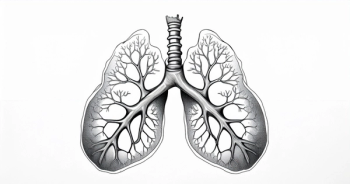
New data from the THIO-101 trial shows ateganosine combined with cemiplimab significantly improves progression-free survival in advanced lung cancer patients.

A study reveals significant survival disparities in plasma cell leukemia, highlighting the benefits of stem cell transplantation for patient outcomes.

A phase 2 study reveals autologous TIL therapy's potential to stabilize recurrent head and neck cancer, offering hope for improved treatment options.

Rezatapopt shows promising efficacy in treating various tumors with TP53 Y220C mutations, highlighting its potential as a groundbreaking cancer therapy.
BioAtla's ozuriftamab vedotin advances to phase 3 trials for HPV-positive oropharyngeal cancer, aiming for accelerated FDA approval amid rising incidence.