
A phase 2 study is underway to determine the efficacy and safety of selinexor in patients with myelofibrosis.

A phase 2 study is underway to determine the efficacy and safety of selinexor in patients with myelofibrosis.

Toni Choueiri, MD, explains what led to the phase 3 COSMIC-313 clinical trial.

All 248 patients with endometrial cancer have been enrolled in the phase 3 SIENDO clinical trial.

Adding zanidatamab to chemotherapy may result in positive efficacy and safety outcomes in patients with HER2-positive breast cancer.

The device is meant to not only target metastatic bone lesions, but also promote the growth of healthy bone.

In the phase 3 IMforte clinical trial, researchers are exploring lurbinectedin and atezolizumab as induction and maintenance therapy for patients with extensive-stage small cell lung cancer.
With an orphan drug designation from the FDA, INBRX-109 may be on track to become the first FDA-approved treatment for chondrosarcoma.

The combination elicited a complete response in patient with cervical cancer and a partial response in a patient with ovarian cancer.
The TROPION-Breast01 study aims to enroll 700 patients to determine the safety and efficacy of datopotamab deruxtecan in patients with HR-positive, HER2-negative breast cancer.
Milademetan, an MDM2-inhibitor, has already shown preliminary antitumor efficacy in solid tumors.
The phase 1b KOMET-001 has been suspended while the developer of KO-539 and FDA investigate a serious safety event.

The study is currently recruiting in 5 states and aims to determine if ruxolitinib affects GvHD rates in patients received HSCT for the treatment of myelofibrosis.
A California-based study of devimistat plus hydroxychloroquine for soft tissue sarcoma has enrolled its first patient.
The FDA has granted orphan drug designation to LYT-200 for the treatment of patients with pancreatic cancer. The drug is currently under investigation in phase 1/2 clinical trial for the treatment of pancreatic cancer and other metastatic solid tumors.
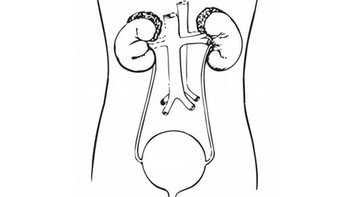
The novel combination of belzutifan and lenvatinib will be tested against cabozantinib in a phase 3 clinical trial of patients with advanced renal cell carcinoma.
The combination of lenvatinib and pembrolizumab is the current standard of care for ccRCC, however, most patients still experience disease progression. The addition of a third agent may lead to improvement in outcomes.

The trial is evaluating the safety and efficacy of taletrectinib in ROS1 NSCLC. Taletrectinib is a novel TKI.
In a phase 1 dose-escalation study, an investigational BTK degrader showed clinically meaningful results in patients with chronic lymphocytic leukemia and elicited a response.
After discovering the potential of a prophylactic breast cancer vaccine, Cleveland Clinic will be the site of a phase 1 clinical trial to test its safety.
The trial is designed to evaluate eltanexor monotherapy in high-risk MDS. It is recruiting in 8 separate states.
Flexible patient-focused approaches may increase clinical trial accessibility and enrollment in international lung cancer clinical trials beyond the COVID-19 pandemic.
A trial is currently recruiting across the US to investigate the safety of a new anti-PD-1/CD3 antibody for the treatment of relapsed or refractory T-cell lymphoma. It aims to enroll 86 patients.
Following treatment with chimeric antigen receptor T-cell therapy, patients with relapsed or refractory large B-cell lymphoma require more options. Investigators are now evaluating an interleukin-17 agent.
A phase 1b/2 study has shown an 80% clinical activity rate with liposomal annamycin as treatment of soft tissue sarcoma lung metastases.
A study at MD Anderson Cancer Center aims to evaluate ixazomib and rituximab in patients with relapsed or refractory mantle cell lymphoma.
A novel ATR inhibitor displayed early signals of activity and was tolerable in patients with solid tumor harboring various molecular alterations.
Following a safety evaluation, the FDA has lifter its clinical hold of studies of rusfertide.
All clinical trials of allogeneic CAR T cells developed by Allogene Therapeutics, Inc have been halted by the FDA pending an investigation of a chromosomal abnormality event.
The study is currently recruiting in Chicago, Illinois.
Zanidatamab in combination with evorpacept has been dosed for the first time in a patient with HER2-low breast cancer.