
Findings from the phase 3 PERSEUS study found the safety profile of D-VRd in newly diagnosed multiple myeloma to be in line with the known profiles of the agents.

Findings from the phase 3 PERSEUS study found the safety profile of D-VRd in newly diagnosed multiple myeloma to be in line with the known profiles of the agents.

No serious adverse events or dose-limiting toxicities were observed in the phase 1/2 trial of the antibody drug conjugate ARX517.
A patient with prostate cancer in the SECuRE trial treated with 2 cycles of 67Cu-SAR-bisPSMA at the 8GBq dose level has achieved undetectable prostate specific antigen levels.

Neal Shore, MD, FACS, discussed the phase 3 EMBARK trial and what the FDA approval of enzalutamide means for the prostate cancer treatment landscape.

The combination of olaptesed pegol, bevacizumab, and radiotherapy showed an improvement in overall survival among patients with glioblastoma, according to findings from a phase 1/2 study.

The first group of patients in a trial testing [212Pb]VMT-α-NET in patients with unresectable or metastatic neuroendocrine tumors that express somatostatin receptor type 2 has finished dosing.

The fast track designation granted to SONALA-001 in combination with the INSIGHTEC Exablate 4000 Type-2 Device from the FDA is for the treatment of patients with diffuse intrinsic pontine glioma.

TX-030, a potential first-in-class, anti-CD39 antibody, is being evaluated in a phase 2 trial in metastatic pancreatic ductal adenocarcinoma.
TAC01-HER2, an autologous TAC-T cell lead asset made to target HER2 in relapsed or refractory gastric and gastroesophageal junction tumors, is being further evaluated in phase 2 of the TACTIC-2 study.

The safety, tolerability, pharmacokinetics, immunogenicity, and tumor response of KVA12123 alone and with pembrolizumab are being evaluated in a phase 1/2 study for patients with advanced solid tumors.
A phase 1a/1b trial of IMGS-001 in patients with locally advanced or metastatic solid tumors is ongoing at The University of Texas MD Anderson Cancer Center in Houston, Texas.

A first-in-human trial is assessing the safety, tolerability, pharmacokinetics, and preliminary antitumor activity of STX-721 as a monotherapy for patients with non–small cell lung cancer with EGFR exon 20 insertion mutations.
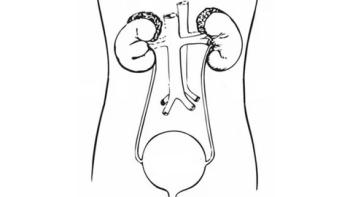
The ADVANCED-2 trial plans to build onto the early antitumor and safety data seen with TARA-002 that were presented this year for patients with non-muscle invasive bladder cancer.
ABM-1310 is an investigational small molecule BRAF inhibitor that is being development for the treatment of various BRAF V600E-mutant solid tumors.
The investigational antibody-drug conjugate, MYTX-011, is one step further in development for the treatment of non–small cel lung cancer with cMET overexpression.

Following positive phase 1 results, HPN328 treatment in now under evaluation in a phase 1/2 trial.
A new treatment geared to treat the most common driver of RAS-addicted solid tumors has been dosed for the first time in humans.

Two doses of CD40HVac, a therapeutic vaccine targeting dendritic cells, are being evaluated as treatment for HPV-positive oropharyngeal cancer in a phase 1/2a trial.
The investigational PLK1 inhibitor, CYC140, is the focus of important clinical research in advanced solid tumors, leukemias, and lymphomas.
A phase 1 trial will evaluate OSM-0205 in healthy subjects with chemotherapy-induced peripheral neuropathy, followed by a phase 2 study in patients with breast cancer.

According to Ruben A. Mesa, MD, FACP, confirming the benefit of long-acting interferon for essential thrombocytopenia is key.
As determined by phase 1 of the ARROS-1 study, patients with ROS1-positive non–small cell lung cancer and other solid tumors will be further assessed with the recommended phase 2 dose of NVL-520 in phase 2 of the trial.

Treatment with an investigational mitochondrial inhibitor and bevacizumab has started in a phase 1b clinical trial of patients with previously-treated metastatic colorectal cancer.

Ivonescimab is being investigated in phase 3 clinical trial against the combination of tislelizumab and chemotherapy.
Fadraciclib, a highly selective inhibitor of CDK2 and CDK9, is being investigated in clinical trials for patients with solid tumors and hematologic malignancies.
A number of trials evaluating rintatolimod as a combinational therapy for a wide range of solid tumor types are underway and planned, including in pancreatic and breast cancer.
After success, preclinically and in a phase 1 dose-finding study, the phase 2 study of BDC-1001 has begun.
For the first time ever, patients with relapsed or refractory B-cell non-Hodgkin lymphoma can receive the experimental chimeric antigen receptor T-cell therapy, CLN-978, in a clinical trial.
Determining the safety and efficacy of zipalertinib combined with chemotherapy for patients with EGFR exon 20 insertion mutation-positive non–small cell lung cancer are the key goals of the newly-launched phase 3 REZILIENT3 study.

The phase 1 study is evaluating the combination of a CD19-targeting chimeric antigen receptor and an orthogonal IL-2 in patients with CD19-positive hematologic malignancies.