
In an interview with Targeted Oncology, C.K. Wang, MD, discussed the importance of real-world data in oncology, the mission of COTA, and research the company has been a part of.

In an interview with Targeted Oncology, C.K. Wang, MD, discussed the importance of real-world data in oncology, the mission of COTA, and research the company has been a part of.
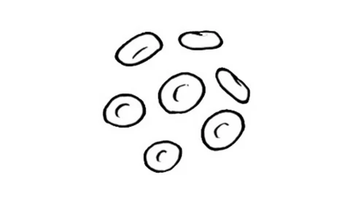
Following PERSIST-1 and PERSIST-2 and a recent FDA approval, pacritinib is being investigated in a phase 3 study versus physician's choice of standard therapy in patients with myelofibrosis.
In PIVOT IO-001, patients with metastatic melanoma are no longer being enrolled and treatment arms have been unblinded after the combination of bempegaldesleukin and nivolumab did not meet its coprimary end points.

The developer has announced that half of the patients are now enrolled in the BESPOKE CRC clinical trial.

The first patient has received PY314 in a phase 1b study, and patients with advanced solid tumor are being actively recruited as sites across the United States.

Following positive early results from the ASPEN-01 clinical trial, the first patient with HER2-positve gastric or gastroesophageal cancer has received the experimental combination of evorpacept, trastuzumab, ramucirumab, and paclitaxel in ASPEN-06.
Fast track designation has been granted to 7HP349, in combination with a CTLA-4 inhibitor for the treatment of patients with unresectable or metastatic malignant melanoma following treatment failure with a PD-1 inhibitor.
The phase 3 EQUATOR clinical trial has been initiated in the United States for the treatment of patients with acute graft-versus-host disease.
Epcoritamab had been granted orphan drug designation by the FDA for the treatment of follicular lymphoma and is being studied in a phase 1/2 clinical trial.

Updated data from the ongoing phase 1b/2 trial of batiraxcept in combination with cabozantinib shows favorable outcomes in patients with clear cell renal cell carcinoma.
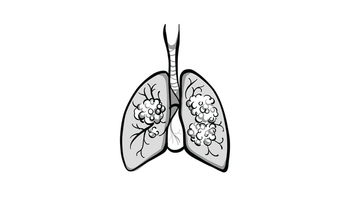
Dosing has begun in patients with advanced non–small cell lung cancer in the phase 1/2 Acclaim-1 clinical trial of quaratusugene ozeplasmid in combination with osimertinib after disease progression on osimertinib alone.
TJ-CD4B had been granted orphan drug designation by the FDA for the treatment of patients with gastric cancer, including gastroesophageal junction carcinoma.

In an interview with Targeted Oncology™, Samuel K. Klempner, MD, discussed the promise of DKN-01 and early results from the DisTinGuish trial.
The MARIPOSA study seeks to assess efficacy, safety, and pharmacokinetics of the combination of amivantamab-vmjw and lazertinib in locally advanced, or metastatic non-small cell lung cancer.
The FDA has approved FoundationOne CDx as a companion diagnostic to pembrolizumab for patients with microsatellite instability high solid tumors.
A new study is looking into the safety, tolerability, and preliminary efficacy of ZB131 in patients with advanced solid tumors.
IO-202 for the treatment of patients with relapsed or refractory acute myeloid leukemia is a strategy under investigation in a phase 1, multicenter, open-label, dose-escalation and expansion study.
CT103A is a BCMA-targeted genetically modified autologous T cell immunotherapy that is able to identify and eliminate malignant and normal cells expressing BCMA in R/R Myeloma.

Treatment with multiple nucleic acid immunotherapy agents is being evaluated in phase 1/2 clinical trials.
A novel gene therapy is being investigated for the treatment of Bacillus Calmette-Guerin-unresponsive non-muscle invasive bladder cancer, and the preliminary findings signal a high response rate with little toxicity.
After a successful interim analysis, the PRIMO study of duvelisib for the treatment of relapsed or refractory peripheral T-cell lymphoma is now fully accrued.
A patient with a high-risk skin cancer has been administered an investigational interleukin 7 agent, efineptakin alfa, plus atezolizumab, initiating treatment in a phase 2a study.
After treatment with SurVaxM in patients with newly diagnosed glioblastoma significantly improved survival, investigators are continuing the evaluation of the agent in a phase 2b clinical trial.
In an interview with Targeted Oncology, Christopher Melani, MD, discussed the ongoing ViPOR study exploring a Bruton’s tyrosine kinase inhibitor and BCL2 inhibitor, and NF-κB survival pathway activating combination.

Florida Cancer Specialist & Research Institute is the leading community-based oncology practice in Florida with clinical trial opportunities made available to patients at 36 locations in the state.
The survival rate for Americans diagnosed with several of the most common cancers has increased dramatically in the past nearly three decades, thanks in large part to scientific discoveries and treatment advances.

LIBRETTO-531 succeeds LIBRETTO-001 to continue the study of selpercatinib in patients with multikinase inhibitor therapy-naive RET-mutant advanced medullary thyroid cancer.
Results from the ongoing phase 3 MOMENTUM clinical trial may be available by the end of Janaury 2022.
Pending results from the ENGOT-en9/LEAP-001 will determine whether the combination of pembrolizumab and lenvatinib prolongs survival more than chemotherapy in patients with endometrial cancer.

A study of cinrebafusp alfa is underway to evaluate its safety and efficacy in combination with other therapies in patients with gastric or gastroesophageal junction cancers.