
The study is currently recruiting in 5 states and aims to determine if ruxolitinib affects GvHD rates in patients received HSCT for the treatment of myelofibrosis.

The study is currently recruiting in 5 states and aims to determine if ruxolitinib affects GvHD rates in patients received HSCT for the treatment of myelofibrosis.

A California-based study of devimistat plus hydroxychloroquine for soft tissue sarcoma has enrolled its first patient.
The FDA has granted orphan drug designation to LYT-200 for the treatment of patients with pancreatic cancer. The drug is currently under investigation in phase 1/2 clinical trial for the treatment of pancreatic cancer and other metastatic solid tumors.
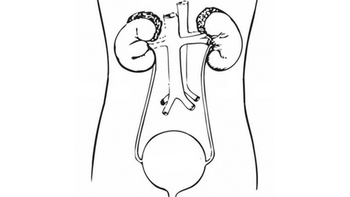
The novel combination of belzutifan and lenvatinib will be tested against cabozantinib in a phase 3 clinical trial of patients with advanced renal cell carcinoma.
The combination of lenvatinib and pembrolizumab is the current standard of care for ccRCC, however, most patients still experience disease progression. The addition of a third agent may lead to improvement in outcomes.

The trial is evaluating the safety and efficacy of taletrectinib in ROS1 NSCLC. Taletrectinib is a novel TKI.

In a phase 1 dose-escalation study, an investigational BTK degrader showed clinically meaningful results in patients with chronic lymphocytic leukemia and elicited a response.

After discovering the potential of a prophylactic breast cancer vaccine, Cleveland Clinic will be the site of a phase 1 clinical trial to test its safety.
The trial is designed to evaluate eltanexor monotherapy in high-risk MDS. It is recruiting in 8 separate states.
Flexible patient-focused approaches may increase clinical trial accessibility and enrollment in international lung cancer clinical trials beyond the COVID-19 pandemic.
A trial is currently recruiting across the US to investigate the safety of a new anti-PD-1/CD3 antibody for the treatment of relapsed or refractory T-cell lymphoma. It aims to enroll 86 patients.
Following treatment with chimeric antigen receptor T-cell therapy, patients with relapsed or refractory large B-cell lymphoma require more options. Investigators are now evaluating an interleukin-17 agent.
A phase 1b/2 study has shown an 80% clinical activity rate with liposomal annamycin as treatment of soft tissue sarcoma lung metastases.
A study at MD Anderson Cancer Center aims to evaluate ixazomib and rituximab in patients with relapsed or refractory mantle cell lymphoma.
A novel ATR inhibitor displayed early signals of activity and was tolerable in patients with solid tumor harboring various molecular alterations.
Following a safety evaluation, the FDA has lifter its clinical hold of studies of rusfertide.
All clinical trials of allogeneic CAR T cells developed by Allogene Therapeutics, Inc have been halted by the FDA pending an investigation of a chromosomal abnormality event.
The study is currently recruiting in Chicago, Illinois.
Zanidatamab in combination with evorpacept has been dosed for the first time in a patient with HER2-low breast cancer.
The ASSURE trial is actively recruiting patients with chronic lymphocytic leukemia to receive acalabrutinib in an investigation of its safety and efficacy.

The last patient has been enrolled in the phase 2 MOUNTAINEER trial, evaluating tucatinib both as a monotherapy and in combination with trastuzumab for the treatment of HER2-positive metastatic colorectal cancer following previous first- and second-line standard of care therapies.

Moshe Levy, MD discusses the ongoing phase 3b study of asciminib in patients with chronic myeloid leukemia in chronic phase.

Principle study investigator Yuliya Mikheeva, MD, PhD, of Saint-Petersburg State University, discussed the combination of dabrafenib and trametinib for the treatment of anaplastic thyroid cancer in an interview with Targeted Oncology.
Following its success in acute myeloid leukemia and other cancers, devimistat is being explored as a treatment option for clear cell sarcoma in a phase 1/2 trial.
In an interview with Targeted Oncology, John Diaz, MD, discussed the ovarian cancer treatment paradigm and the promise of STRO-002 for an important ovarian cancer subgroup.
The first patient has been dosed in the phase 1b/2 trial of ERAS-007, an extracellular signal-regulated kinase inhibitor, for the treatment of advanced non-small cell lung cancer.
The first patient with a locally advanced or metastatic solid tumor has been dosed with buparlisib in combination with A0025 with or without atezolizumab in a phase 1a clinical trial.
The phase 2 NOVA-II study has completed its part 1 analysis of OQL011 for the treatment of cancer therapy-induced skin toxicities.
Cancer research sites across the United States are evaluating the use of TTI-622 plus azacitidine in patients with T53-mutated acute myeloid leukemia.
Two international studies of oregovomab in combination with other anticancer therapies for the treatment of previously treated, recurrent ovarian cancer have dose its first patients, and patients are being recruited to receive the drug in a phase 3 study conducted in the United States.