
A phase 1 open-label trial is underway, evaluating the safety and efficacy of CT-95 in patients with mesothelin-expressing advanced solid tumors.

A phase 1 open-label trial is underway, evaluating the safety and efficacy of CT-95 in patients with mesothelin-expressing advanced solid tumors.

The fourth cohort of an ongoing phase 1/2 has dosed its first patient with TTX-MC138 in advanced solid tumors.

The first patient has been enrolled in the PROSTATE-IQ trial of ArteraAI, a multimodal artificial intelligence biomarker test.
The first patient was dosed in a phase 1/2 trial of evofosfamide with checkpoint inhibitors for hypoxia-reversal in resistant solid tumors.
A phase 1/2 trial is evaluating HLD-0915, a novel oral therapy, for metastatic castration-resistant prostate cancer in up to 80 patients.
Alfred L. Garfall, MD, emphasizes the critical importance of the National Institutes of Health funding for biomedical research.

A global, randomized, phase 1b/2 trial is evaluating IO-108 in patients with metastatic and/or unresectable hepatocellular carcinoma.

IB-T101, a CD70-targeted chimeric antigen receptor therapy, is being studied for relapsed clear cell renal cell carcinoma treatment in a dose-escalation trial.

The first patient with myelodysplastic syndrome has received iadademstat plus azacitidine in a phase 1 trial at the Medical College of Wisconsin.

Dosing has started in a clinical evaluating peluntamig, which targets DLL3 and CD47, combined with chemotherapy in patients with DLL3-expressing cancers.

The FORTIFI-HN01 trial has begun enrolling patients with advanced head and neck cancer to evaluate ficerafusp alfa plus pembrolizumab as a first-line therapy.
Mariam F. Eskander, MD, MPH, and Coral O. Omene, MD, PhD, discuss some specific practices and policies that have been most effective at their institution and how these may be adopted by other practices.
Mariam F. Eskander, MD, MPH, and Coral O. Omene, MD, PhD, discuss how medical mistrust has impacted participation in oncology clinical trials.
Mariam F. Eskander, MD, MPH, and Coral O. Omene, MD, PhD, discuss potential strategies that teams can implement to ensure clinical trials are more representative of the general population.
Mariam F. Eskander, MD, MPH, and Coral O. Omene, MD, PhD, discuss which populations are seen as the most underrepresented in oncology clinical trials.
The CELESTIAL-301 trial evaluating SynKIR-310, a novel CAR T-cell therapy, has dosed its first patient with relapsed/refractory B-cell non-Hodgkin lymphoma.
The first patient with relapsed/refractory acute myeloid leukemia has received KJ-C2320, an allogeneic CAR T-cell therapy targeting CD38 and developed using the THANK-uCAR platform, in an investigator-initiated trial in China.
MT-303, a novel GPC3-targeting mRNA/lipid nanoparticle chimeric antigen receptor therapy, enhances cytokine-driven immune response and tumor cytotoxicity.

Enrollment has been completed for the phase 1b/2 ASIST study that is evaluating BXQ-350 in combination with standard-of-care treatments in patients with newly diagnosed metastatic colorectal cancer.

Patient dosing has begun in a phase 1 trial evaluating QXL138AM, a masked immunocytokine targeting CD138, in advanced solid tumors and multiple myeloma.
The 0.09 mg/kg dose group of the phase 1 dose-escalation portion of the Acclaim-3 study in extensive-stage small cell lung cancer is completed.
The first patient with advanced gastric and gastroesophageal cancer has been dosed in a trial combining PT886 with pembrolizumab.
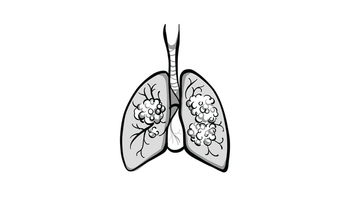
The first patient in a phase 1/2 trial investigating a novel agent for the treatment of non–small cell lung cancer has been dosed.

The novel agent LP-184 has been granted rare pediatric disease designations in malignant rhabdoid tumors, rhabdomyosarcoma, and hepatoblastoma.
The REMARK trial aims to assess the safety and efficacy of RVU120 in patients with lower-risk myelodysplastic syndromes.

The phase 3 Shorespan-007 trial will compare bomedemstat with hydroxyurea in patients with treatment-naive essential thrombocythemia.
The investigational agent certepetide has been granted FDA orphan drug designation for the treatment of patients with cholangiocarcinoma.
The phase 3 SOHO-02 trial has enrolled its first patient with advanced non–small cell lung cancer harboring activating HER2 mutations.

The phase 3 study will investigate fezolinetant for vasomotor symptoms in patients receiving adjuvant endocrine therapy.
In an interview with Targeted Oncology, Evandro D. Bezerra, MD, discusses brexucabtagene autoleucel for relapsed/refractory B-cell ALL.