


CAR T-Cell Therapy
Latest News

Advertisement
Latest Videos













































Advertisement
More News

The advent of cellular therapies, such as chimeric antigen receptor T-cell therapy, has revolutionized the field of hematologic malignancies.

MT-303, a novel GPC3-targeting mRNA/lipid nanoparticle chimeric antigen receptor therapy, enhances cytokine-driven immune response and tumor cytotoxicity.

Doris K. Hansen, MD, discussed a comprehensive analysis of pretreatment biomarkers associated with outcomes in patients receiving idecabtagene vicleucel therapy

Second-line treatment with lisocabtagene maraleucel in relapsed/refractory LBCL has safety and efficacy outcomes similar to those in the trials supporting its FDA approval.
Outpatient lymphodepletion before brexucabtagene autoleucel was safe and showed similar non-relapse mortality compared with inpatient administration in B-ALL and MCL.

The phase 2 ZUMA-2 trial demonstrated that brexucabtagene autoleucel led to a high objective response rate in patients with relapsed/refractory mantle cell lymphoma.

Joe DePinto, MBA, discusses the complexity of the cell and gene therapy ecosystem and the need for collaboration with partners to support it effectively.

Samer A. Al’Hadidi, MD, discusses factors influencing early use of chimeric antigen receptor T-cell therapy in patients with relapsed/refractory multiple myeloma.

Phase 1 trial findings showed that GD2-CAR T-cell therapy induced significant tumor regressions and neurological improvements in patients with H3K27M-mutant diffuse midline gliomas.
Ibrahim N. Muhsen, MD, evaluated the efficacy of brexu-cel in adult patients with central nervous system involvement in relapsed/refractory B-cell acute lymphoblastic leukemia.
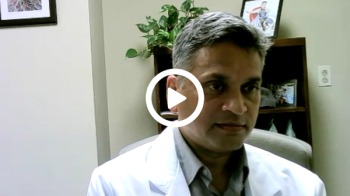
Santhosh K. Sadashiv, MD, discusses the role of chimeric antigen receptor T-cell therapy in patients with multiple myeloma.
A pivotal phase 2 trial of WU-CART-007, an anti-CD7 CAR T-cell therapy for relapsed/refractory T-cell acute lymphoblastic leukemia or T-cell lymphoblastic lymphoma treatment, will begin in 2025.
The FDA has lifted clinical holds on trials of zevor-cel, satri-cel, and CT071, and trials will now resume in the US.
A single infusion of the autologous GPRC5D-targeted CAR T-cell therapy BMS-986393 led to high response rates in patients with relapsed/refractory multiple myeloma who received between 1 and 3 prior lines of therapy.
A real-world analysis of cilta-cel in patients with relapsed/refractory multiple myeloma showed deep and durable responses, with a safety profile consistent with clinical trial data.
A new allogeneic CAR T-cell therapy, P-BCMA-ALLO1, has shown promising results in treating heavily pretreated patients with relapsed/refractory multiple myeloma.
The CARTITUDE-4 study found that cilta-cel reduced the risk of death by 45% compared to standard of care in patients with multiple myeloma.

CAR T-cell therapy is a game-changing treatment, but it is not without the potential for serious adverse effects. Researchers and physicians still wonder about the incidence and prevalence of these risks.
Taiga Nishihori, MD, discussed the current outpatient administration model of cilta-cel among patients with relapsed/refractory multiple myeloma.
Significant progress has been made since the approval of the first CAR T-cell therapy, but there is still tremendous room for improvement.
The CARTITUDE-4 study that found that treatment with cilta-cel led to a statistically significant and clinically meaningful improvement in overall survival among patients with relapsed and lenalidomide-refractory multiple myeloma who received 1 to 3 prior lines of therapy.

Secondary malignancies following CAR T-cell therapy have been a known risk, but an FDA investigation and call for labeling change have renewed interest.
Rhonda Henschel, MBA, discussed the challenges and considerations for community oncology practices looking to implement cellular therapy programs.
Advertisement
Advertisement
Trending on Targeted Oncology - Immunotherapy, Biomarkers, and Cancer Pathways
1
FDA Oncology Recap: Approvals, Designations, and Decisions in September 2026
2
Plinabulin Receives FDA Fast Track Designation in Post-ICI NSCLC
3
Denosumab Biosimilar Approved For Existing Oncology Indications
4
CEPHEUS and Frontline Treatment in Newly Diagnosed Multiple Myeloma
5