


Gastric Cancer
Latest News

October 23rd 2019
By Lisa Astor
The FDA has approved a supplemental New Drug Application for a single dose of aprepitant injectable emulsion for intravenous use in patients receiving moderately emetogenic chemotherapy. The approval expands the dose for aprepitant to include a 130 mg single-dose regimen for the prevention of acute and delayed chemotherapy-induced nausea and vomiting.<br />
Advertisement
Latest Videos














































Advertisement
More News

The approval of TAS-102 has been backed by the European Medicines Agency's Committee for Medicinal Products for Human Use for the treatment of adult patients with metastatic gastric cancer, including adenocarcinoma of the gastroesophageal junction, in those previously treated with at least 2 prior systemic therapy regimens for advanced disease.




In an interview with <em>Targeted Oncology</em>, Shota Fukuoka, MD, PhD, of the Department of Gastrointestinal Oncology, National Cancer Center Hospital East, Kashiwa, Japan, commented on the results of the study and the future plans to expand the research with a larger cohort.

The American Cancer Society, Dana-Farber Cancer Institute, Baptist Cancer Center, and the Mayo Clinic report that treatment patterns varied markedly by cancer type and care facility setting for patients with de novo metastatic disease who died within 1 month after diagnosis, based on an analysis of data from 100,848 patients collected from the National Cancer Database, a hospital-based cancer registry that captures 70% of patients in the United States with a new diagnosis.
The FDA recently released 5 new draft guidance documents that promote broader patient eligibility for cancer clinical trials. The policies encourage inclusion of certain individuals who were previously disqualified due to medical conditions or biological factors, including brain metastases, organ dysfunction, prior or concurrent malignancies, chronic infections, and age.
A cohort of cancer centers was selected to serve as models for identifying key strategies for racial and ethnic minority group engagement in clinical trials. On the basis of several qualifying criteria, such as sustained accrual of minorities into clinical cancer research, an established minority population ≥10% in the overall catchment, an established clinical trial infrastructure, and a formal community outreach program, the investigators identified 8 cancer centers for participation.
In a case-based-style discussion, Tanios S. Bekaii-Saab, MD, and Wells Messersmith, MD, reviewed the treatment of patients with colorectal cancer whose tumors express rare gene mutations or molecular signatures, such as <em>NTRK</em> fusions.
Before a community oncology practice considers getting involved in clinical trials research, there are many factorsto consider. Perhaps foremost is the fact that cancer clinical trials provide the evidence base for new advances in oncology.
Artificial intelligence has made inroads in many industries—banking, finance, security—but its adoption in healthcare has been lagging and real-world clinical implementation has yet to become a reality. Nonetheless, proponents say it is only a matter of time and pilot programs are starting to yield some practical results.
The healthcare community is still awaiting a response from the Centers for Medicare & Medicaid Services to the opposition of the agency’s proposal to substantially revise the Medicare Part D protected drug classes.
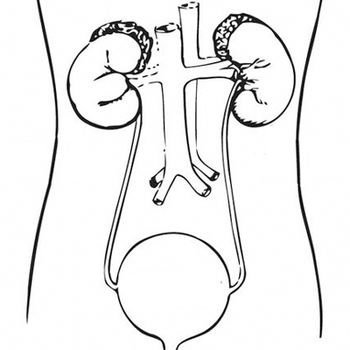
Overtreating men 70 years or older with prostate cancer cost Medicare more than $1.2 billion from 2004 to 2007, according to the results of a retrospective study using the Surveillance, Epidemiology, and End Results–Medicare linked database.

A look back at all the FDA news in oncology from the month of February 2019, including several new approvals, priority review designations, and an orphan drug desgination.
Based on data from the phase III TAGS trial, TAS-102 has been approved by the FDA as a treatment for adult patients with metastatic gastric or gastroesophageal junction adenocarcinoma previously treated with at least 2 prior lines of chemotherapy that included a fluoropyrimidine, a platinum, either a taxane or irinotecan, and if appropriate, HER2/neu-targeted therapy.

Manish A. Shah, MD, discusses the results from the randomized phase III GAMMA-1 trial looking at andecaliximab in patients with untreated HER2-negative gastric or gastroesophageal junction adenocarcinoma.
David H. Ilson, MD, PhD, discusses the main takeaway from the data for phase III TAGS trial reported at the 2019 Gastrointestinal Cancers Symposium.





Advertisement
Advertisement
Trending on Targeted Oncology - Immunotherapy, Biomarkers, and Cancer Pathways
1
FDA Oncology Recap: Approvals, Designations, and Decisions in September 2026
2
Plinabulin Receives FDA Fast Track Designation in Post-ICI NSCLC
3
Denosumab Biosimilar Approved For Existing Oncology Indications
4
CEPHEUS and Frontline Treatment in Newly Diagnosed Multiple Myeloma
5