scout

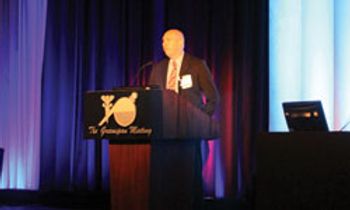
Chemotherapy Foundation Symposium

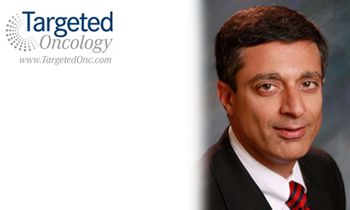
Jeffrey S. Weber, MD, PhD, deputy director, Laura and Isaac Perlmutter Cancer Center, co-director of its Melanoma Program, head of Experimental Therapeutics, NYU Langone Medical Center, discusses keys to targeted therapies for melanoma. These keys lie in BRAF and MEK inhibitors and combining those drugs with immunologic therapies.

Thomas Herzog, MD, clinical director, University of Cincinnati Cancer Institute, discusses the types of patients who benefit from neoadjuvant therapies. Patients who cannot undergo aggressive cytoreduction, patients with comorbidities and older patients would be ideal candidates to receive the therapy, he adds.

The kinase inhibitors sorafenib (Nexavar) and lenvatinib (Lenvima) have significantly altered the treatment paradigm for patients with advanced radioactive iodine (RAI)-refractory differentiated thyroid cancer in both older and younger populations, with combination strategies hoping to further build upon this success.

Monoclonal antibodies, specifically the CD3 and CD19 bispecific agent blinatumomab (Blincyto) and the CD22-targeted antibody-drug conjugate inotuzumab ozogamicin, are set to overhaul the treatment of adults with relapsed acute lymphoblastic leukemia.

The news of a shifting landscape for the diagnosis and treatment of polycythemia vera (PV) is a good thing for patients and practitioners. The altered playing field means refined criteria for diagnosing symptomatic patients, identifying those at highest risk, and an impressive arsenal for treating a disease which carries such heavy symptom burdens.