
Kat M. Aguilar, MPH, discussed the findings of the recent study evaluating the early adoption of the distress thermometer.

Kat M. Aguilar, MPH, discussed the findings of the recent study evaluating the early adoption of the distress thermometer.
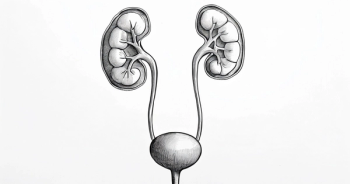
Lisa Herms, PhD, discussed findings from a retrospective analysis from the US community oncology setting on biomarker testing for bladder cancer.

An analysis of Medicare patients with follicular lymphoma revealed which characteristics correlated with overall survival.

In the past 7 years, treatment for patients with non–small cell lung cancer has increased by over 100%, according to real-world data presented at iSPOR 2023.

An analysis of data from the CheckMate-648 trial sows that while adding nivolumab to either ipilimumab or chemotherapy for patients with advanced esophageal squamous cell carcinoma improves survival outcomes, their current price is not cost-effective for first-line treatment.

Significant differences in the incidence of genitourinary events, depression, and ischemic and thrombotic events were observed based on race among patients with prostate cancer after receiving androgen deprivation therapy.
Study findings presented at iSPOR 2023 reveal a substantial economic burden related to metastatic non–small cell lung cancer care, which impacts both patients and the healthcare system.

According to findings from an integrated BIM, single treatment with selpercatinib had a little impact on third-party payers’ formulary budgets for patients with RET-altered solid tumors.
Findings from a survey found that many physicians used new strategies to manage their patients during the COVID-19 pandemic, some of which, such as the use of telehealth, are expected to continue into the future.

A study looked into what drives patient preference for treatment with certain BRAF/MEK inhibitors for BRAF V600E/K-mutant melanoma.

In an interview with Targeted Oncology™, Bruce Feinberg, DO, discussed the use of CAR T-cell therapy in the community oncology setting, the challenges oncologist face, and the next wave of innovation to improve CAR T-cell administration for patients.
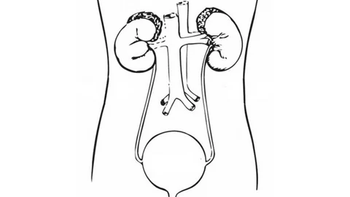
Patients were diagnosed with prostate cancer at the expected average age with a majority of individuals diagnosed with stage 1 or 2 disease, and a significant minority presented with metastases.

In patients with advanced non-squamous non–small cell lung cancer treated within large community health systems in the United States , biomarker testing appeared to be significantly higher compared with independent community practices, research shows.