Enriqueta Felip, MD, PhD, discusses the phase 3 3475A-D77 study of subcutaneous pembrolizumab plus chemotherapy in metastatic non–small cell lung cancer.

Enriqueta Felip, MD, PhD, discusses the phase 3 3475A-D77 study of subcutaneous pembrolizumab plus chemotherapy in metastatic non–small cell lung cancer.
Hamlet Gasoyan, MD, discusses some of the common challenges that oncologists face when getting patients started on more costly oral treatments for multiple myeloma.

Akriti Jain, MD, discussed how emerging data on non-ABL1 mutations is reshaping chronic myeloid leukemia management.
Matt Galsky, MD, discusses the phase 3 NIAGARA trial that led to the recent FDA approval of durvalumab in muscle-invasive bladder cancer after radical cystectomy.
Meredith McKean, MD, MPH, discusses the background and goals from the recent long-term follow-up of a phase 1 study evaluating the combination of fianlimab and cemiplimab in advanced melanoma.

Julie Gralow, MD, FACP, FASCO, addresses ways to combat the oncology workforce shortage.

Matt Galsky, MD, delved into the recent approval of a perioperative durvalumab regimen in muscle-invasive bladder cancer.

Uday R. Popat, MD, discusses promising findings from a phase 2 trial evaluating the JAK inhibitor itacitinib combined with post-transplant cyclophosphamide and tacrolimus for graft-vs-host disease prevention.
Yelena Y. Janjigian, MD, discusses the long-term survival data from the KEYNOTE-811 trial of pembrolizumab plus trastuzumab and chemotherapy for the treatment of patients with HER2-positive locally advanced unresectable or metastatic gastric or gastroesophageal junction adenocarcinoma.
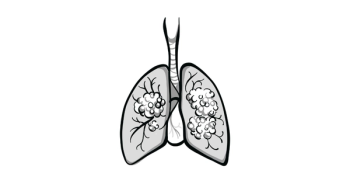
Amit Gupta, MD, discussed a new collaboration between University Hospitals Cleveland Medical Center and Qure.ai that aims to enhance early lung cancer detection.
John M. Burke, MD, shares his tips for offering bispecific antibody therapy in a community setting.
John M. Burke, MD, provides practical tips for administering mosunetuzumab in a community setting.

Bernd Kasper, MD, PhD, provides an overview of the phase 3 DeFi trial of nirogacestat for the treatment of patients with progressing desmoid tumors.
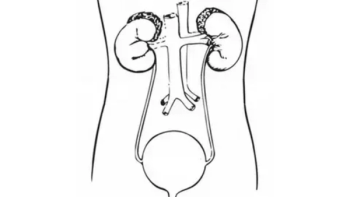
Neal Shore, MD, FACS, discussed findings from the SunRISe-4 trial of TAR-200 and cetrelimab in muscle-invasive bladder cancer.
Yelena Y. Janjigian, MD, discusses the standard approval of pembrolizumab plus trastuzumab and chemotherapy for the treatment of patients with HER2-positive gastric or gastroesophageal junction adenocarcinoma.
Jennifer Chan, MD, MPH, discussed the findings from the phase 3 CABINET trial leading to the FDA approval of cabozantinib in patients with neuroendocrine tumors.


Marleen I. Meyers, MD, emphasizes prioritizing whole foods, particularly fruits and vegetables, over relying on supplements for patients with cancer.

Douglas A. Tremblay, MD, discusses the long-term data supporting ropeginterferon alfa-2b-njft as treatment in patients with polycythemia vera.
Bernd Kasper, MD, PhD, discusses the key efficacy results from the updated analysis of the phase 3 DeFi trial of nirogacestat in desmoid tumors.

Trisha Wise-Draper, MD, PhD, discusses anticipated data on head and neck cancers and their potential impact on the field.

Frederick L. Locke, MD, discussed cema-cel's safety, efficacy, and potential for treating large B-cell lymphoma in earlier lines in the ALPHA trials.

Alan Tan, MD, discusses the 8-year follow-up data from the CheckMate 214 trial of patients with advanced renal cell carcinoma.
Shirish M. Gadgeel, MD, provides and overview of the MARIPOSA trial of lazertinib and amivantamab vs osimertinib in EGFR-mutated advanced or metastatic NSCLC.

Nicolas Girard, MD, PhD, discusses data from the COCOON trial for patients with EGFR-mutant advanced non–small cell lung cancer.
Trisha Wise-Draper, MD, PhD, provides an overview of the advancements for the management of head and neck cancers.
John L. Marshall, MD, discusses the impact of the SUNLIGHT trial in patients with refractory metastatic colorectal cancer.
Firas Eladoumikdachi, MD, FACS, and M. Michele Blackwood, MD, FACS, assess preoperative radiation boosts in breast cancer care.
Nicolas Girard, MD, PhD, discusses the final overall survival results from the MARIPOSA trial of amivantamab plus lazertinib in EGFR-mutant advanced non–small cell lung cancer.
Alan H. Bryce, MD, discusses ongoing research in radioligand therapies.