
Latest Conference Articles
Cilta-cel therapy shows improved outcomes in earlier treatment lines for relapsed/refractory multiple myeloma, enhancing immune fitness and survival rates.
Advertisement
Lisaftoclax shows promising efficacy and safety in treating relapsed/refractory CLL/SLL, achieving a 62.5% response rate and 23.89 months progression-free survival.
Discover the most anticipated breast cancer research at SABCS 2025, featuring groundbreaking abstracts in HR+, HER2+, and TNBC. Vote now!
Discover the most anticipated abstracts in hematologic malignancies at the 2025 ASH Meeting, featuring groundbreaking studies and innovative therapies.
Advertisement
Co-hosts Kristie L. Kahl and Andrew Svonavec highlight what to look forward to at the 67th Annual ASH Meeting in Orlando.

Vorasidenib significantly reduces tumor growth rates in grade 2 glioma patients, improving progression-free survival and time to next intervention.
A phase 1 study reveals that sequential CR7-GD2 CAR T-cell therapy administration is better tolerated in pediatric CNS tumor patients than concurrent methods.
Discover the most anticipated abstracts at the 67th ASH Annual Meeting and Exposition, showcasing groundbreaking research in hematologic malignancies and innovative treatments.
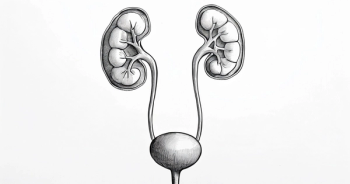
New research from ESMO 2025 reveals significant survival benefits of intensified androgen blockade over traditional therapies for advanced prostate cancer.

New findings reveal that GDF-15 neutralization with visugromab and nivolumab significantly enhances long-term responses in advanced cancer patients.
Explore the evolving role of medical oncologists in treating non–muscle invasive bladder cancer with innovative immunotherapy options and trial insights.
High LAG3 expression in metastatic renal cell carcinoma enhances initial immunotherapy response but does not improve long-term survival outcomes.

Bispecific and trispecific antibodies show efficacy in multiple myeloma, moving into earlier lines of therapy.
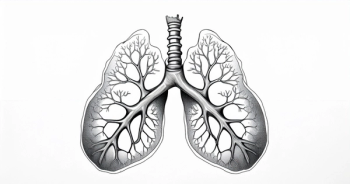
Small cell lung cancer treatment evolves with groundbreaking therapies, improving survival rates and offering new hope for patients in 2024 and beyond.
A phase 1b/2 trial shows triplet therapy for advanced renal cell carcinoma is feasible but lacks significant response improvement over standard treatment.

In an interview with Targeted Oncology, David J. Benjamin, MD, discussed findings on the global oncology workforce and their implications of insufficient access to cancer care.
Research highlights promising advancements in renal cell carcinoma treatments, focusing on HIF-2α inhibitors and combination therapies for improved patient outcomes.
Avelumab shows modest, durable responses in advanced penile cancer, highlighting the need for innovative treatments in this challenging patient population.
A phase 2 trial reveals single-dose carboplatin plus radiotherapy offers exceptional long-term survival and minimal toxicity for stage IIa/b seminoma patients.
Experts discuss the evolving strategies in managing immune-related adverse events in cancer treatment, emphasizing precision immunomedicine and patient history.
New research reveals that radiotherapy benefits prostate cancer patients with fewer metastases, refining treatment strategies for advanced cases.
A groundbreaking study reveals that less frequent dosing of pasritamig enhances immune response in advanced prostate cancer, challenging traditional treatment assumptions.
Discover evolving strategies for managing immune-related adverse events in cancer immunotherapy, enhancing decision-making for oncologists and practitioners.
Experts discuss the need for global collaboration to enhance cancer care in rural areas, addressing access, workforce challenges, and diverse patient needs.
Recent trials at ESMO Congress 2025 clarify treatment options for metastatic renal cell carcinoma, highlighting promising combinations and emerging therapies.
Join the 43rd Annual Chemotherapy Foundation Symposium in New York City for cutting-edge cancer care education and networking opportunities.

Innovations in cancer immunotherapy highlight the urgent need for effective management of immune-related toxicities, emphasizing precision medicine and interdisciplinary collaboration.
A study reveals that lower KIM-1 levels predict better outcomes in advanced renal cell carcinoma patients treated with nivolumab and ipilimumab.
Advertisement
Advertisement
Trending on Targeted Onc
1
Novel ADCs Show Responses in Ovarian and Cervical Cancer at ESMO 2026
2
ESMO 2026: ADCs and New Combinations Advance Lung Cancer Care
3
ESMO 2026: New Data Advance Prostate, Kidney, and Bladder Cancer Care
4
340B Contract Pharmacy Case Rekindles Scrutiny Over Program Intent
5